

Bloating, feeling overly full, heartburn and indigestion are all familiar digestive complaints. And while it’s easy to blame what we’ve eaten, our digestive health is influenced by much more than our diet alone.
One important part of the process is stomach acid. Essential for breaking down food and helping the body digest nutrients, stomach acid plays a bigger role in our digestive health than many people realise.
But what happens when things aren’t quite in balance? And are there natural ways to support healthy digestion?
From understanding the role of stomach acid to making small changes to your daily routine, here’s what you need to know.


Why is stomach acid important?
Stomach acid, also known as gastric acid, is produced naturally by the stomach. It contains hydrochloric acid, which helps break down food, particularly proteins, and creates the right environment for digestive enzymes to work.
It also helps protect the digestive system against harmful microorganisms that may enter the body through food and drink.
Having enough stomach acid is important for normal digestion, but more isn’t necessarily better. Too much acid, or acid travelling back up into the oesophagus, can cause uncomfortable symptoms such as heartburn and acid reflux.
The aim isn’t to increase stomach acid at all costs, but to support your digestive system and understand what might be causing any discomfort.
Your digestion starts before you eat
Did you know that digestion actually begins before food reaches your stomach?
The sight and smell of food can trigger digestive processes, while chewing breaks food into smaller pieces, making it easier for your stomach to process.
Eating too quickly or rushing through meals can mean you swallow more air and may not give yourself enough time to recognise when you’re comfortably full.
Try making mealtimes a little more mindful. Put down your cutlery between mouthfuls, chew thoroughly and give yourself time to enjoy your food. Small changes like these can make mealtimes feel more relaxed.
“Creatine isn't just for gym-goers. It's becoming an increasingly interesting topic in women's health and healthy ageing.”
Feed your gut with the right foods
What you eat plays an important role in keeping your digestive system working well.
Fibre is particularly important. It helps support normal bowel movements and can help prevent constipation. Good sources include oats, wholegrains, beans, lentils, fruit and vegetables.
You could also include fermented foods such as live yoghurt, kefir and sauerkraut as part of a varied diet. These contain live microorganisms, although their effects can vary depending on the food and individual.
Rather than following a restrictive diet, focus on variety and gradually increasing your intake of fibre-rich foods. Remember to drink enough water, too, as this helps fibre do its job.
Could your daily habits be affecting digestion?
Digestive health isn’t just about what’s on your plate. Your lifestyle and daily routine can influence how comfortable you feel after eating.
Large meals late in the evening can make heartburn and reflux more likely, particularly if you lie down shortly afterwards. If you experience reflux, try leaving around three to four hours between your evening meal and bedtime.
Stress is another factor worth considering. Feeling anxious or overwhelmed can affect the way your digestive system functions, sometimes contributing to bloating, abdominal discomfort or changes in bowel habits.
Regular movement, getting enough sleep and making time to relax can all contribute to your overall digestive wellbeing.
Shop mentioned products:
Understanding what triggers discomfort
There isn’t one perfect diet for digestion. Foods that suit one person may cause discomfort for someone else.
Common triggers for heartburn and acid reflux include coffee, chocolate, alcohol, spicy foods and fatty meals. Acidic foods such as citrus fruits and tomatoes can also trigger symptoms in some people.
Rather than cutting out entire food groups unnecessarily, pay attention to how your body responds. Keeping a simple food and symptom diary can help you identify patterns and understand which foods or habits might be contributing to discomfort.
It’s also important to remember that symptoms such as heartburn, bloating and indigestion can have several different causes. They don’t necessarily mean your stomach is producing too much or too little acid.
Supporting your digestive routine with New Nordic
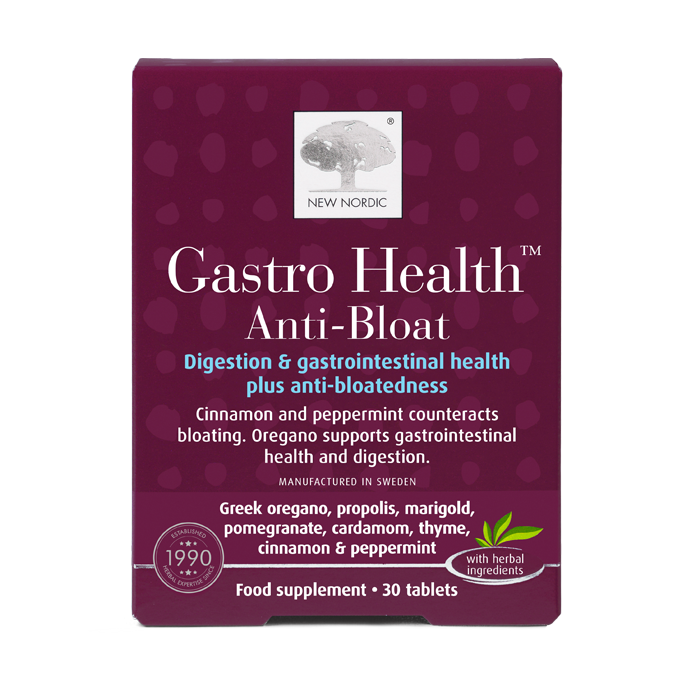
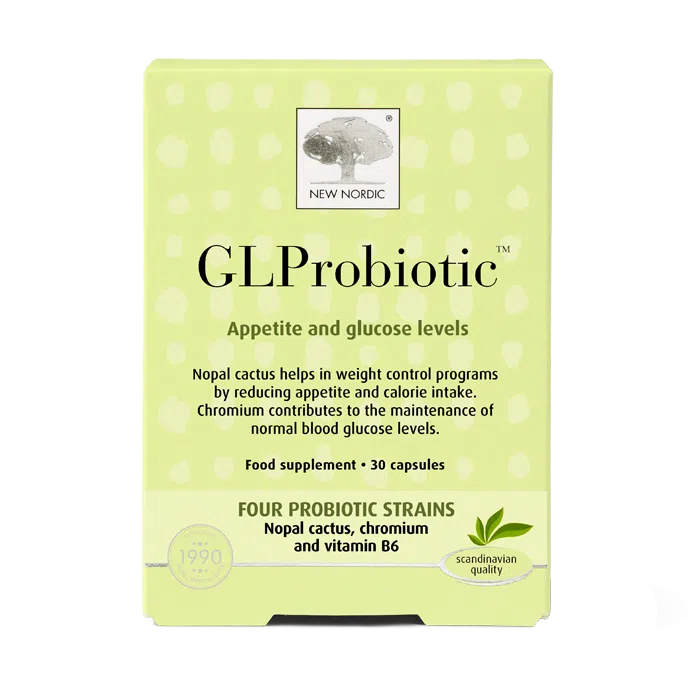
Alongside a balanced diet and healthy lifestyle, you may wish to explore nutritional supplements as part of your everyday digestive wellness routine. New Nordic offers two products with different approaches to supporting gut health.
Gastro Health™ Anti-Bloat combines botanical ingredients including oregano, peppermint and cinnamon. Designed with digestive comfort in mind, it offers convenient one-a-day support for those looking to help manage occasional bloating and trapped wind.
GLProbiotic™ takes a probiotic approach, combining four carefully selected probiotic strains to provide 4 billion live cultures per daily dose. It also contains nopal cactus, chromium and vitamin B6, bringing together probiotic and nutritional ingredients in a convenient daily supplement.
While these products have different formulations and purposes, both can complement a wider approach to digestive wellbeing. They aren’t treatments for low stomach acid, heartburn or acid reflux, and shouldn’t replace advice from a healthcare professional.
When should you seek advice?
Occasional digestive discomfort is common, but persistent symptoms shouldn’t be ignored.
It’s worth speaking to your GP or pharmacist if you regularly experience indigestion, heartburn or bloating. Seek medical advice if symptoms are persistent, severe or accompanied by unexplained weight loss, difficulty swallowing or repeated vomiting.
Be cautious about products claiming to increase stomach acid or fix digestion without establishing the cause of the problem. Remedies such as apple cider vinegar or betaine hydrochloride aren’t proven solutions for everyone and may make reflux symptoms worse.
A little attention goes a long way
Supporting your digestive health doesn’t have to involve complicated routines or restrictive diets.
Eating slowly, choosing fibre-rich foods, staying hydrated and making time to relax are all simple habits that can help support normal digestion.
And remember, stomach acid has an important job to do. Rather than trying to increase or decrease it yourself, focus on supporting your digestive system as a whole and seeking advice when something doesn’t feel right.
A little more attention to your everyday habits can go a long way towards feeling more comfortable and confident in your digestion.