
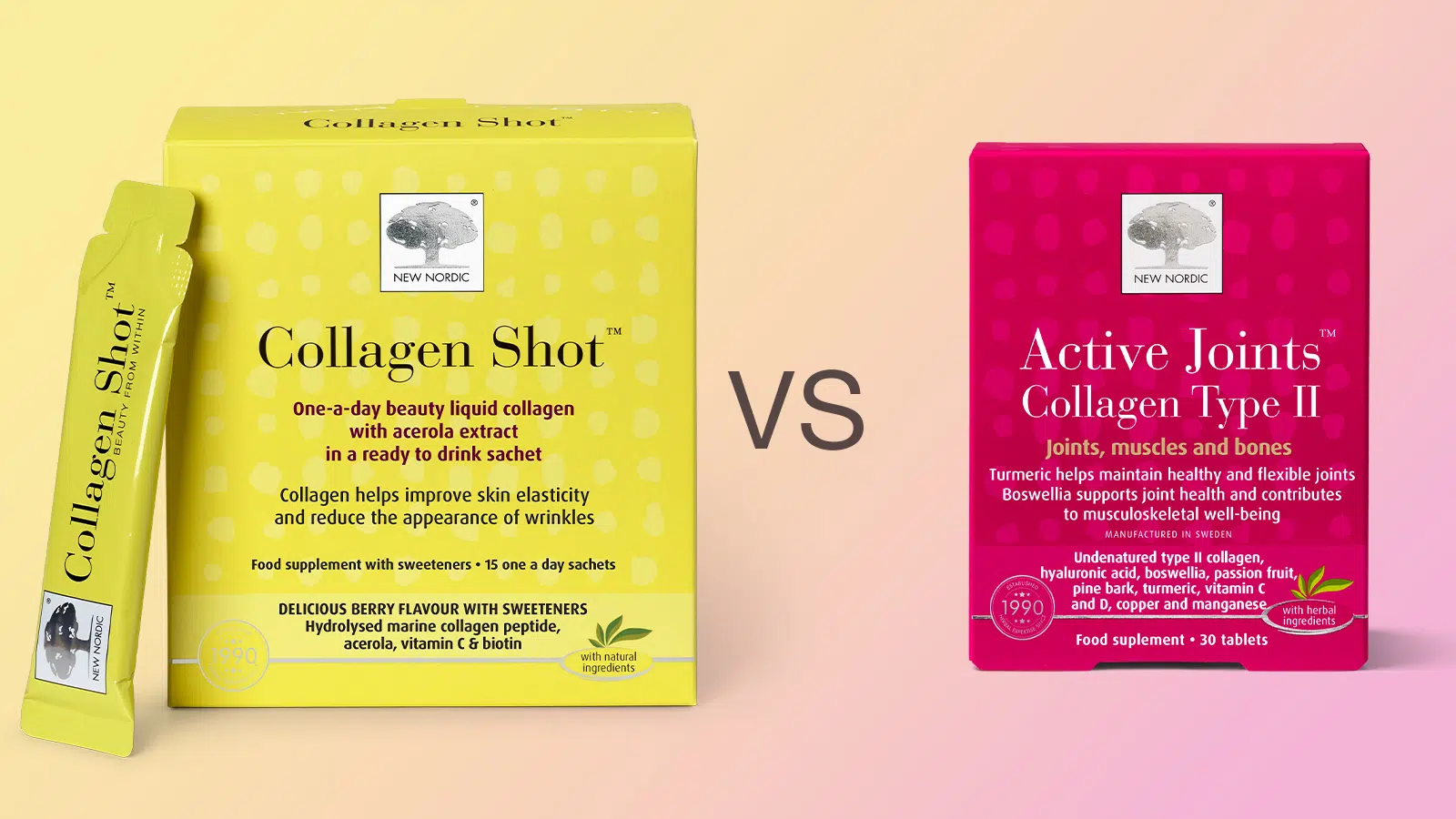
Collagen is one of the most abundant proteins in the human body, helping provide structure to skin, cartilage, bones and connective tissues. But did you know there are different types of collagen – and that Type I and Type II collagen have different roles in the body?
If you’re comparing marine collagen Type I vs Type II, understanding the difference can help you choose a collagen supplement that fits your individual needs.
What is Type I collagen?
Type I is the most abundant type of collagen in the body. It is found extensively in skin, bones, tendons and connective tissue, where it provides strength and structure.
Marine collagen is typically rich in Type I collagen and is commonly sourced from fish. Research into marine collagen has highlighted its potential as an alternative source of collagen, while studies of hydrolysed collagen supplements have investigated benefits relating to skin hydration and elasticity.
This makes Type I collagen particularly popular in beauty and skin-focused supplements.


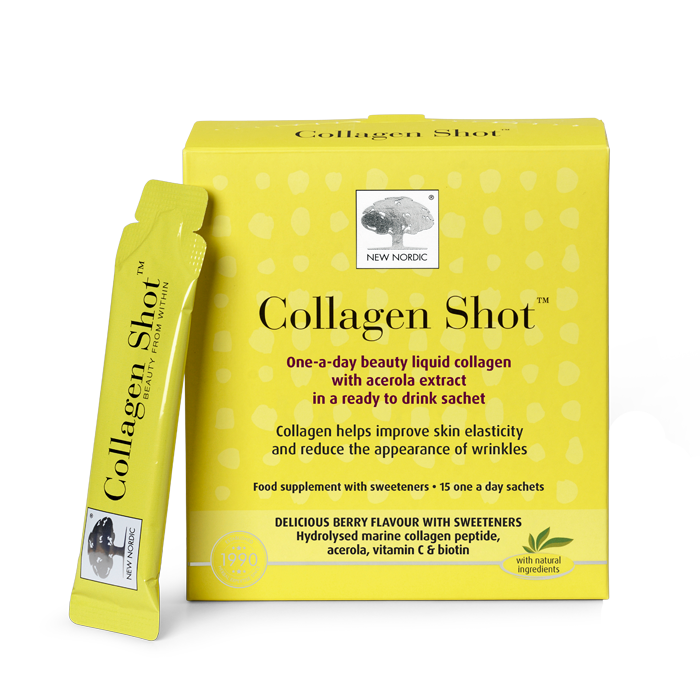
Collagen Shot™: marine collagen for your beauty routine
Collagen Shot™ provides 5,000 mg of hydrolysed freshwater marine collagen in every daily sachet. The formula also contains vitamin C, acerola extract and biotin.
Vitamin C contributes to normal collagen formation for the normal function of the skin, while biotin contributes to the maintenance of normal skin and hair.
Hydrolysed collagen has been studied for its potential effects on skin hydration and elasticity, although the strength of evidence varies between studies.
What is Type II collagen?
Type II collagen is structurally different from Type I collagen and is found predominantly in cartilage. Its structure is particularly suited to tissues that need to withstand compression, helping explain its importance in joint and cartilage biology.
This makes Type II collagen especially relevant when you’re looking for collagen for joints, rather than primarily for skin.
There is also an important distinction between undenatured Type II collagen and hydrolysed collagen. Undenatured Type II collagen is processed to preserve more of its original structure, which is relevant to the proposed mechanisms studied for joint health.
“When you look after your cells, you're investing in your future.”
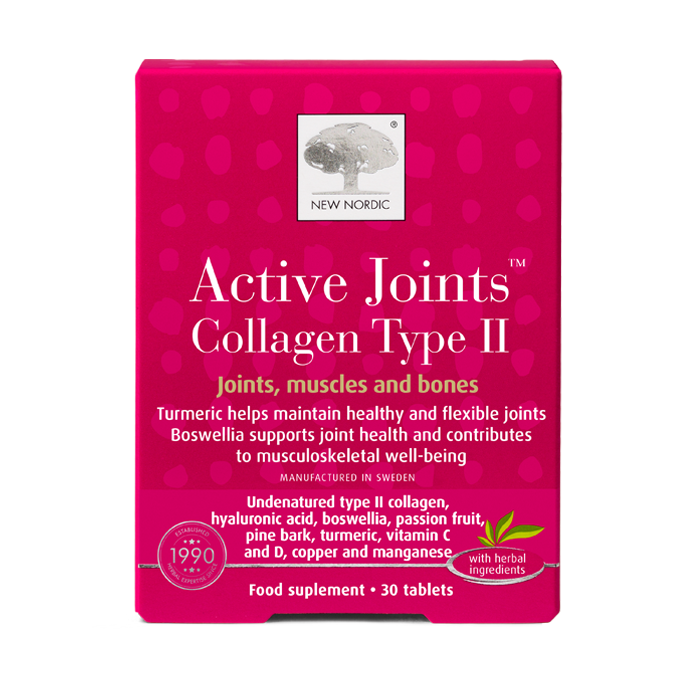
Active Joints™ Collagen Type II: targeted joint support
For those looking specifically for joint and cartilage support, Active Joints™ Collagen Type II contains 40 mg of undenatured Type II collagen alongside hyaluronic acid, turmeric, boswellia, vitamins C and D, copper and manganese.
Vitamin C contributes to normal collagen formation for the normal function of cartilage, while vitamin D contributes to the maintenance of normal bones and muscle function.
The formula is therefore designed with a different focus from a beauty-oriented marine collagen supplement.
Marine Type I collagen vs Type II collagen: what’s the difference?
The simplest way to think about the difference is where they are naturally found and what they are associated with in the body.
Type I collagen
- Found extensively in skin, bones, tendons and connective tissue
- Commonly used in beauty-focused collagen supplements
- Marine collagen is typically Type I
- Often chosen when focusing on skin and overall connective tissue support
Type II collagen
- Found predominantly in cartilage
- More closely associated with joint and cartilage health
- Commonly used in targeted joint-health formulations
- Undenatured Type II collagen has been specifically studied as a joint-health ingredient
So, when asking “which collagen is best?”, there isn’t one universal answer. It depends on what you’re looking to support.
Shop mentioned products:

Which collagen should you choose?
If your main interest is skin, hair and beauty, a hydrolysed marine Type I collagen product such as Collagen Shot™ may be the better fit for your routine.
If you’re more interested in joints, cartilage and maintaining an active lifestyle, a targeted Type II collagen formula such as Active Joints™ Collagen Type II may be more appropriate.
Ultimately, Type I and Type II collagen aren’t competing ingredients – they simply have different biological roles.
The takeaway
When comparing marine collagen Type I vs Type II, the key difference is their natural distribution and the tissues they are associated with.
Type I collagen is particularly abundant in skin, bones and connective tissues, making marine Type I collagen popular in beauty supplements. Type II collagen is predominantly associated with cartilage, making it a natural choice for targeted joint-health formulations.
Both have a place in a well-rounded approach to health and wellbeing – it simply comes down to choosing the right type of collagen for your goals.