Longevity as a Natural Outcome of Daily Life
Some of the world’s longest-living populations don’t focus on longevity as a target—they experience healthy aging as a natural result of the way they live. Their everyday habits support physical health, mental wellbeing, and long-term vitality, allowing them to enjoy more quality years over time.
Daily Movement and Active Living Support Healthy Aging
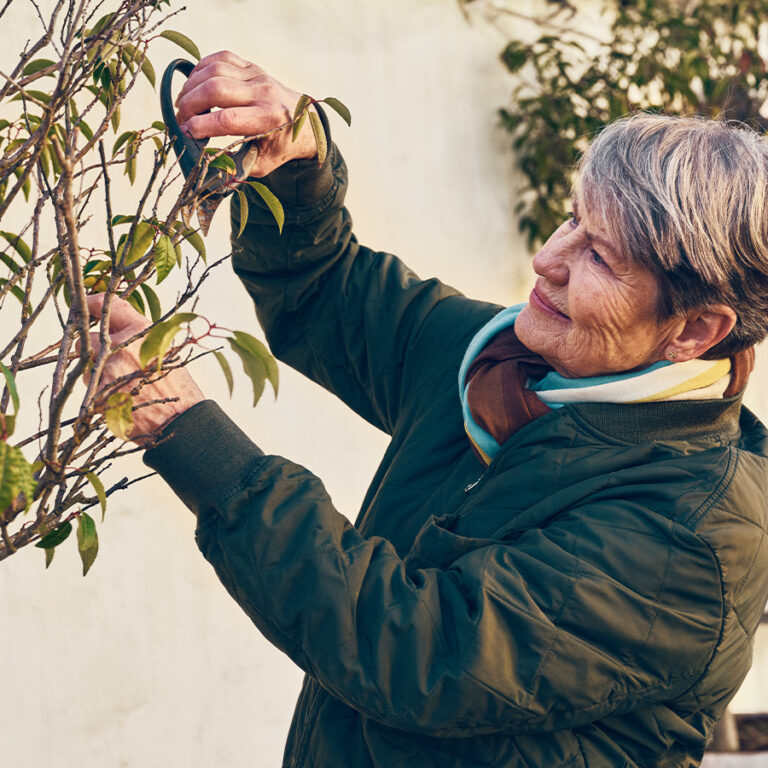
In many longevity-focused communities, movement is built into daily life rather than treated as a strict fitness routine. Walking, gardening, household tasks, and staying physically active throughout the day help support mobility, heart health, and overall wellbeing. This consistent, low-intensity activity promotes healthy aging without the pressure of extreme exercise or rigid workout schedules.
Strong Social Connections Improve Wellbeing and Longevity
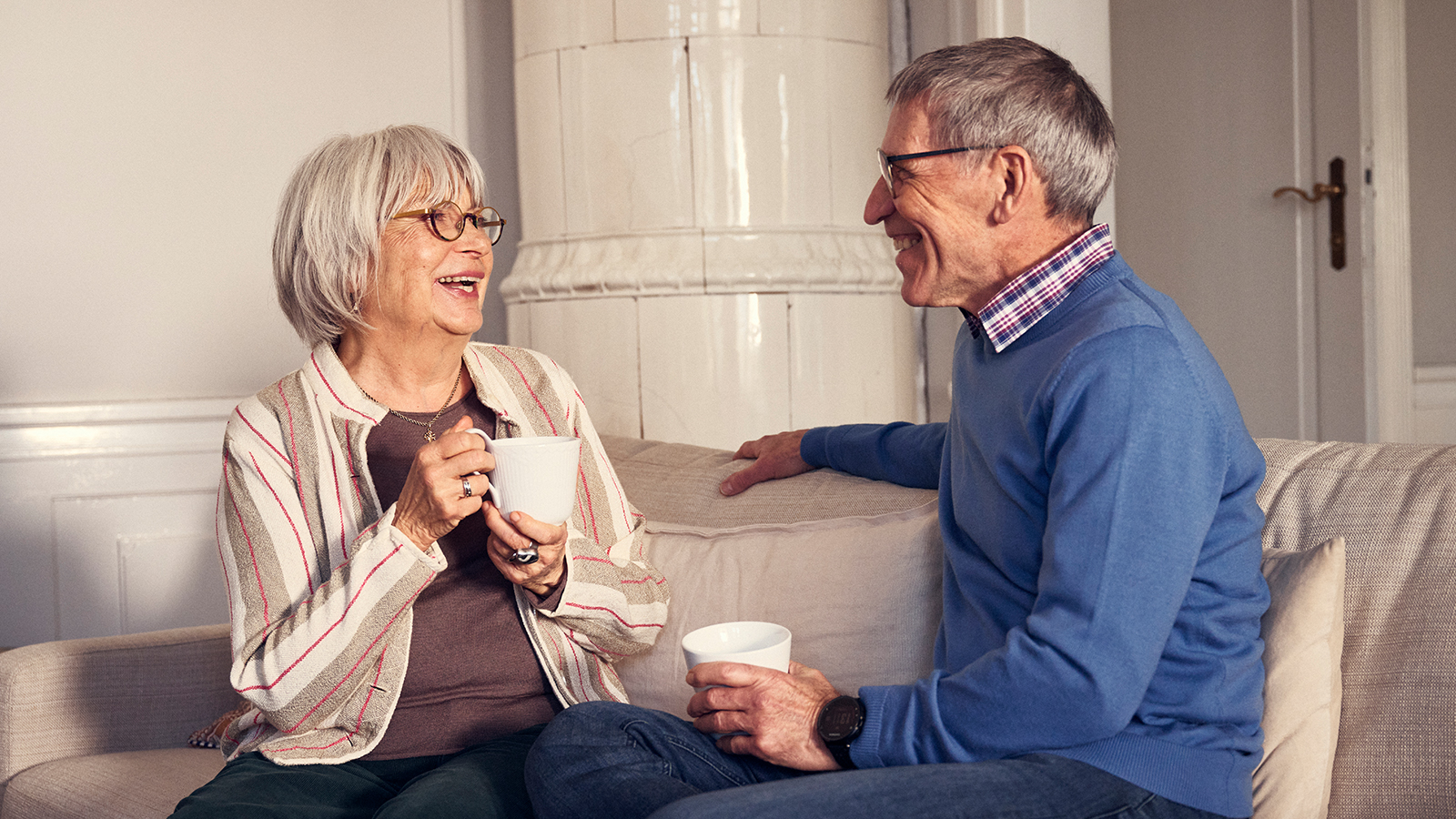
One of the most important factors linked to longevity is strong social connection. Family relationships, friendships, and community involvement provide emotional support, reduce feelings of isolation, and contribute to better mental health. Many long-living populations also share a strong sense of purpose, giving people motivation, direction, and fulfilment throughout life.
Balanced Nutrition and Mindful Eating Habits
Nutrition also plays a central role in supporting longevity and long-term health. Meals are often simple, balanced, and made from whole, nourishing foods. Eating is typically mindful rather than restrictive, with an emphasis on moderation, tradition, and shared meals that strengthen social bonds. Instead of focusing on diet trends or constant calorie tracking, these lifestyles encourage sustainable and healthy eating habits.
“Everyday habits support physical health, mental wellbeing, and long-term vitality, allowing them to enjoy more quality years over time.”
Managing Stress for Long-Term Health
Stress is part of modern life, but chronic stress can negatively affect physical and mental well-being. In many healthy ageing communities, rest, conversation, downtime, and recovery are naturally built into daily routines. Creating space for relaxation and meaningful connection can help support emotional balance and overall health.
Creating a Lifestyle That Supports Longevity
This approach to longevity highlights an important idea: healthy ageing is not only shaped by exercise and nutrition, but also by environment, habits, and lifestyle choices. While modern wellness culture often promotes constant optimisation and productivity, sustainable longevity is more closely linked to balance, consistency, and manageable daily routines.
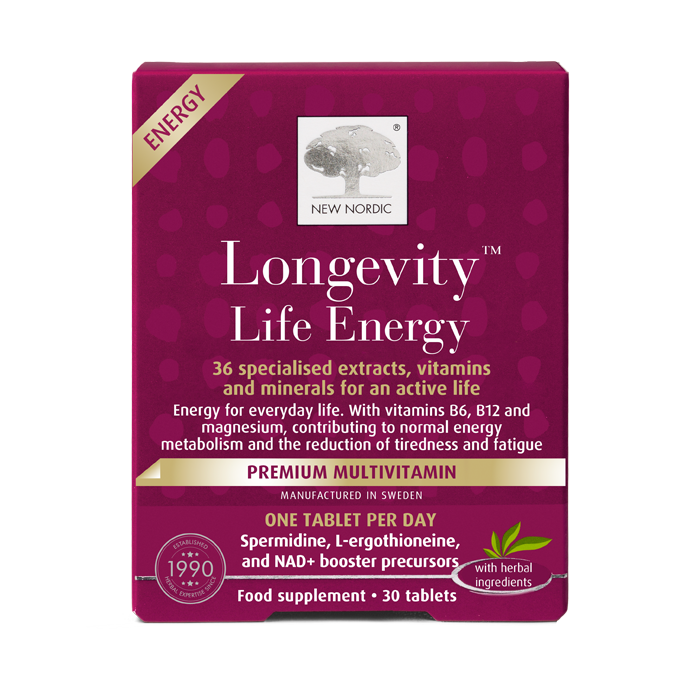
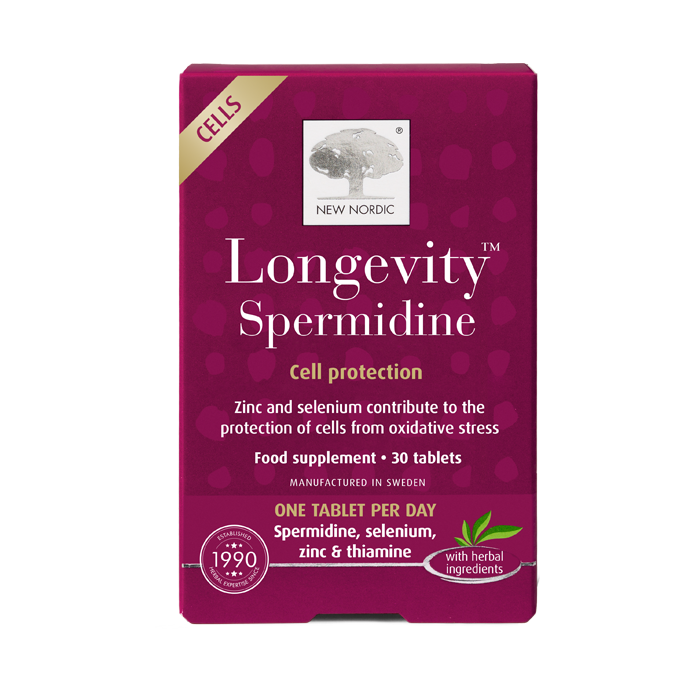
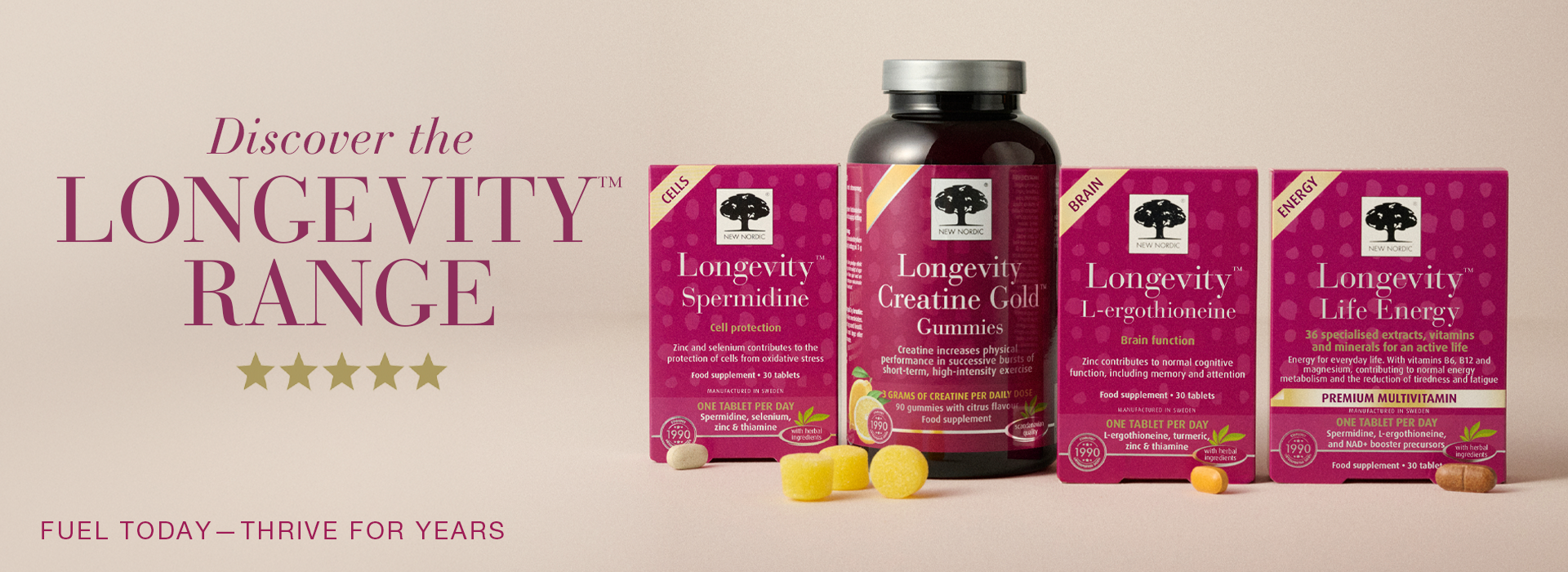
Shop mentioned products:
Simple Lifestyle Habits That Promote Healthy Ageing
Building a lifestyle that supports longevity may involve prioritising relationships, simplifying your schedule, and choosing enjoyable forms of movement you can maintain long term. It can also mean setting healthier boundaries around work, stress, and technology use to create more time for rest, recovery, and human connection.
Healthy Longevity Is Built Through Consistent Daily Habits
Longevity is not something that happens overnight or through extreme measures alone. In many cases, it is the result of consistent daily habits that support physical health, emotional well-being, and a balanced lifestyle. Over time, these small, sustainable choices can naturally contribute to a longer, healthier, and more fulfilling life.