
Creatine might traditionally be associated with gym enthusiasts, weightlifters and athletes, but it’s becoming an increasingly popular topic in women’s wellness. And for good reason. As women move through their 40s and approach perimenopause, changes in hormones, muscle mass, strength and energy can make looking after the body more important than ever.
So, could creatine have a role in supporting women through this stage of life?
From maintaining muscle strength to emerging research into brain health, here’s what women over 40 should know about creatine, its potential benefits and how to make it part of an active lifestyle.
Why is everyone talking about creatine?
Creatine is a naturally occurring compound found in the body, with smaller amounts also available through foods such as red meat and fish. It plays an important role in helping muscles produce energy, particularly during short bursts of high-intensity activity.
Your body produces some creatine naturally, but levels can vary depending on factors including diet, muscle mass and age. As research into women’s health develops, scientists are becoming increasingly interested in how creatine supplementation may support women throughout different life stages.
It’s no longer just about lifting heavier weights. Researchers are exploring its potential role in muscle health, cognitive function and healthy ageing.
1. Supporting muscle strength as you age
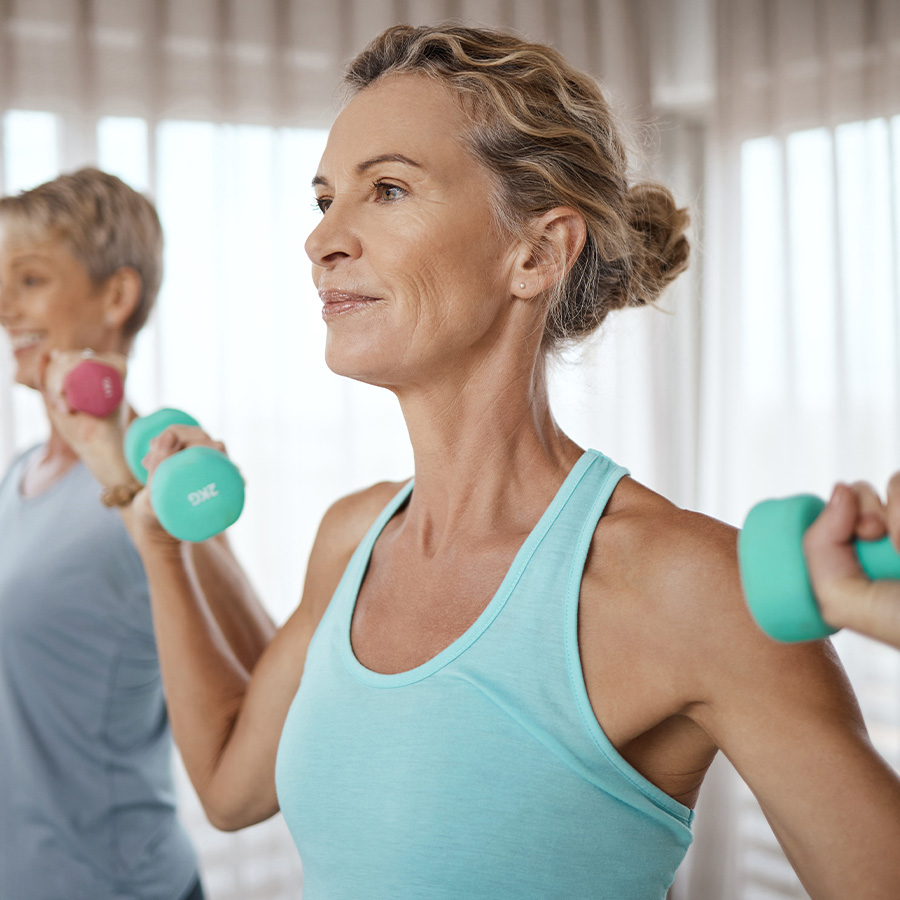
From your 40s onwards, maintaining muscle becomes an increasingly important part of healthy ageing. Changes associated with perimenopause and menopause can influence body composition, while muscle mass and strength naturally tend to decline with age.
This is where creatine comes into the conversation.
Creatine helps replenish the energy supply used by muscles during short, intense bursts of activity. Supplementation has been shown to increase physical performance during successive bursts of short-term, high-intensity exercise.
Research in older women also suggests that creatine may help support improvements in lean muscle mass and strength when combined with resistance training.
Whether you enjoy lifting weights, Pilates, strength classes or working out at home, maintaining an active routine is important. Creatine may be a useful addition alongside regular exercise, adequate protein and a balanced diet.
2. Looking after your bones
Bone health is another important consideration for women over 40.
Oestrogen plays a role in maintaining bone density, and levels begin to fluctuate during perimenopause before declining further after menopause. This can contribute to an increased risk of bone loss as women age.
You may have seen creatine discussed as a potential way to support bone health. Researchers are exploring whether its role in muscle energy and exercise performance could have wider benefits for the musculoskeletal system.
However, the evidence is not yet conclusive. Current research has not demonstrated a consistent improvement in bone mineral density from creatine supplementation alone.
For now, weight-bearing exercise, resistance training, adequate calcium and vitamin D intake, and a balanced diet remain important foundations for looking after your bones.
“Creatine isn't just for gym-goers. It's becoming an increasingly interesting topic in women's health and healthy ageing.”
3. Creatine and your brain: Could it help with brain fog?
If you’ve experienced difficulty concentrating, forgetfulness or that frustrating feeling of mental fog during perimenopause, you’ll know how disruptive it can be.
Creatine isn’t just stored in your muscles. It’s also found in the brain, where it plays a role in cellular energy production.
This has led researchers to investigate whether creatine supplementation could support cognitive function, particularly during periods of increased mental demand or hormonal change.
Early research is interesting, but studies specifically looking at perimenopausal women are still limited. There isn’t enough evidence to say that creatine can prevent or relieve menopause-related brain fog.
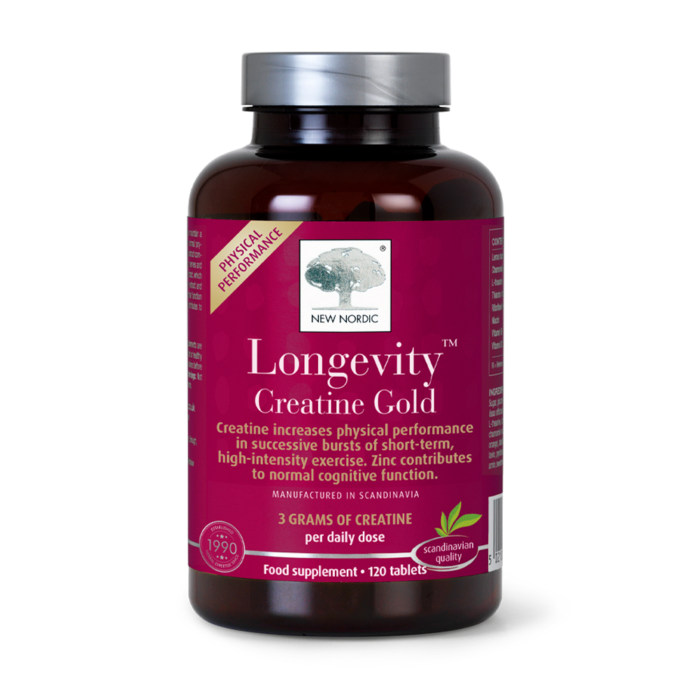
Interestingly, zinc is another nutrient involved in normal cognitive function. Longevity™ Creatine Gold Tablets combine creatine with zinc, providing an additional nutritional benefit alongside creatine supplementation.
4. What about mood and energy?
Perimenopause can bring a variety of changes, from disrupted sleep and fluctuating energy to changes in mood and motivation.
Because creatine is involved in energy production throughout the body, researchers are exploring its potential effects on mental wellbeing as well as physical performance.
Some early studies suggest possible benefits for mood, but the evidence is still developing. Creatine should not be considered a treatment for low mood, depression or other menopause-related symptoms.
What we do know is that staying active, eating well, prioritising sleep and maintaining a consistent routine can all contribute to overall wellbeing during midlife.
Shop mentioned products:
5. How to add creatine to your daily routine
If you’re considering creatine, consistency is important. It is generally taken daily rather than just on workout days, and it can be incorporated into an existing wellness routine.
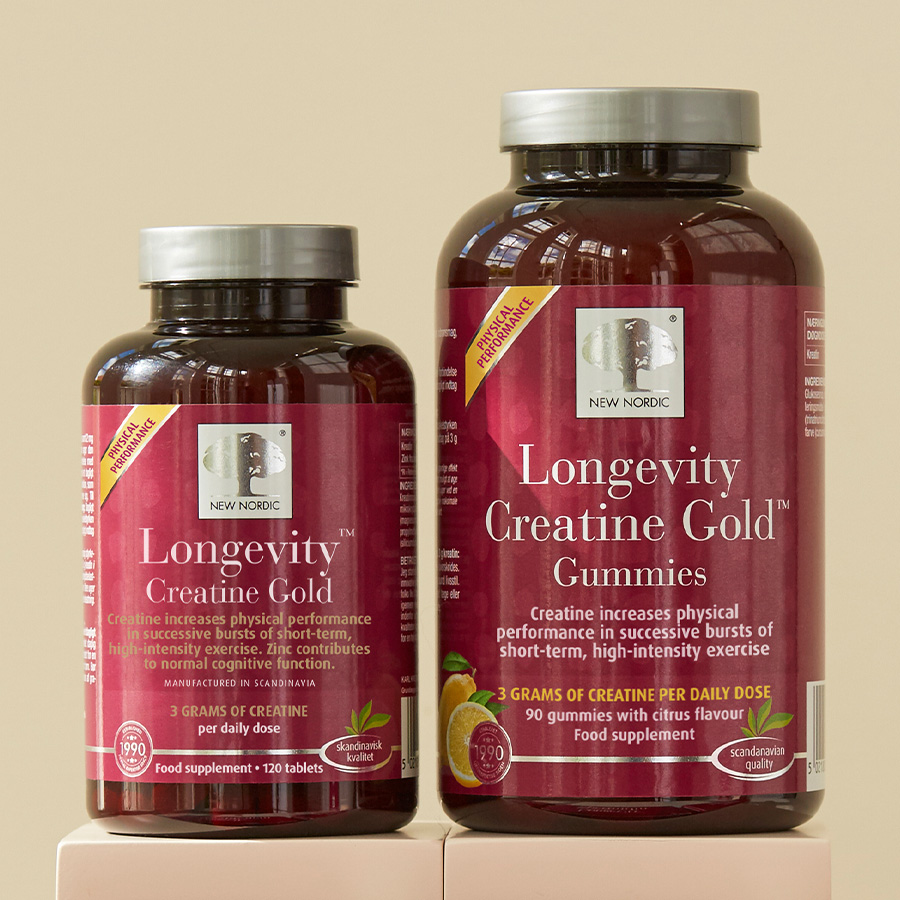
New Nordic offers two convenient ways to add creatine to your day:
Longevity™ Creatine Gold Tablets
For those who prefer a traditional supplement format, Longevity Creatine Gold Tablets provide 3 g of creatine per daily dose, alongside zinc. Creatine increases physical performance during successive bursts of short-term, high-intensity exercise, while zinc contributes to normal cognitive function.
The tablet format makes it easy to take your daily creatine without needing to mix powders or carry a shaker.
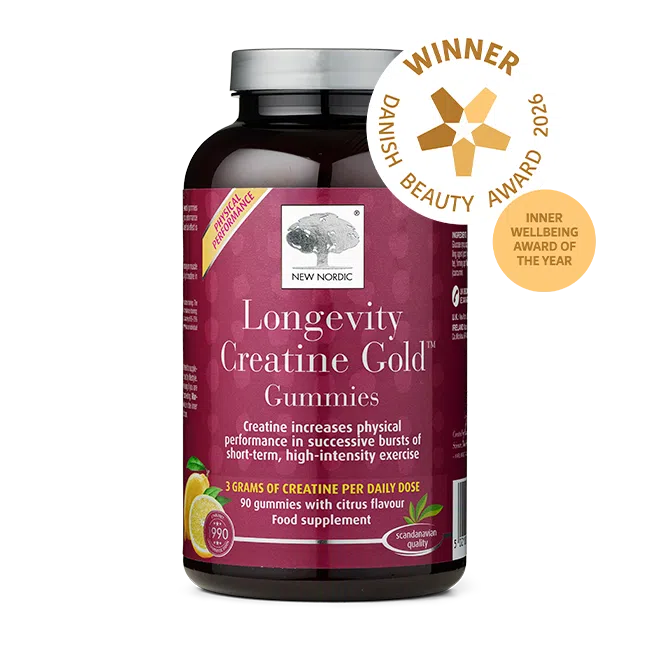
Longevity™ Creatine Gold Gummies
Prefer something a little more convenient? Longevity Creatine Gold Gummies provide 3 g of creatine per daily serving of three gummies.
With a delicious lemon flavour, they’re an easy alternative to traditional tablets or powders, making it simple to fit creatine into your everyday routine.
Both formats provide 3 g of creatine per daily serving, so you can choose the one that best suits your preferences and lifestyle.
Making your health a priority after 40
Your 40s can be an important time to rethink your approach to health and wellbeing. From maintaining muscle and bone health to supporting your energy and staying active, small everyday habits can help lay the foundations for healthy ageing.
Creatine is an exciting area of ongoing research, particularly for women approaching and moving through menopause. While some potential benefits are still being investigated, its established role in supporting physical performance makes it an interesting consideration for women who want to stay active and strong.