

GLP-1 medications have changed the weight management journey for many people, helping support weight loss by reducing appetite and increasing feelings of fullness. But what happens when treatment comes to an end?
For many people, the next challenge is maintaining their progress. Appetite may increase again after stopping treatment, and keeping weight off can become more difficult without the support the medication provided. Weight regain is common, but having a plan in place can help you build sustainable habits and continue looking after your health.
Whether you’re preparing to finish treatment or have already stopped, here’s how to support your body, maintain healthy routines and work towards long-term weight management.
What Happens When You Stop Taking a GLP-1?
GLP-1 medications, including semaglutide, work partly by helping regulate appetite and making you feel fuller for longer. When treatment stops, these effects gradually diminish, which can mean feeling hungrier and finding portion control more challenging.
Research has shown that weight regain can occur after stopping weight management medication. This doesn’t mean you’ve failed or that your previous progress was wasted. It highlights why ongoing support, nutrition and lifestyle habits are important after treatment ends.
The key is to plan for life after treatment, rather than waiting until your appetite changes to make adjustments.
If you’re considering stopping your medication, speak to your prescribing healthcare professional first. Don’t change your dose or stop treatment without appropriate medical advice, particularly if you’re also managing type 2 diabetes.
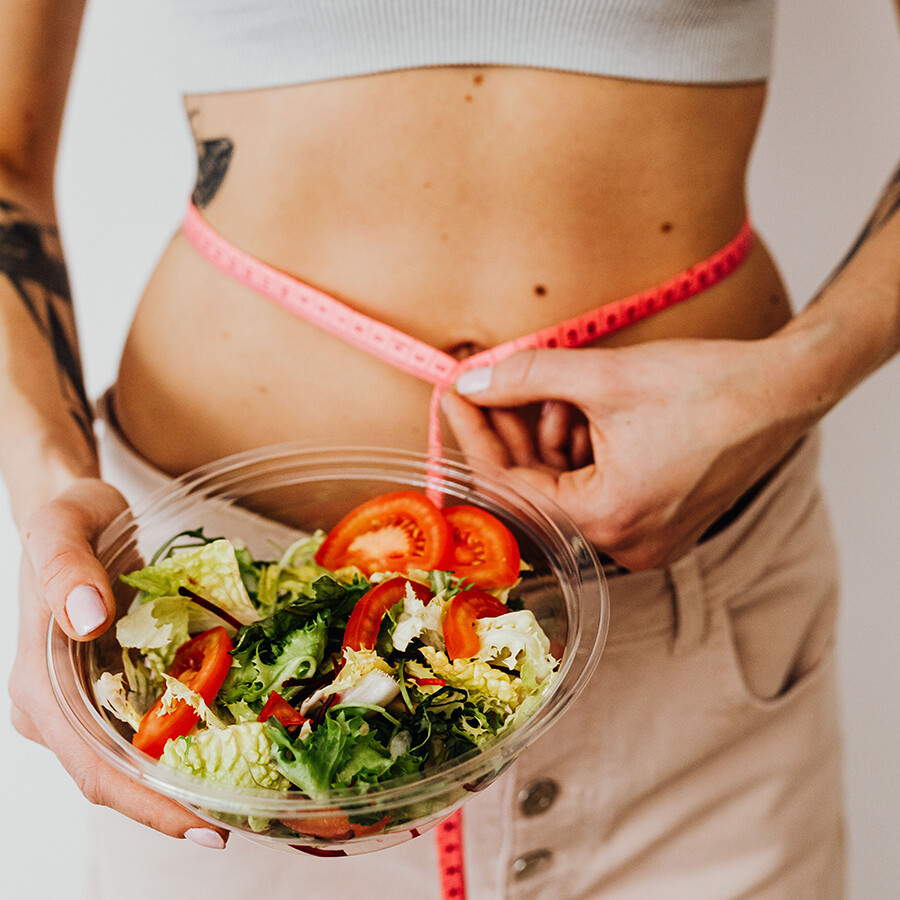

1. Prioritise Protein and Balanced Meals
When your appetite has been reduced during treatment, you may have become accustomed to eating smaller portions. As your appetite returns, focusing on balanced, satisfying meals can help you establish a sustainable routine.
Protein is an important part of this approach. It contributes to the maintenance of muscle mass, which matters throughout weight management. Include sources such as eggs, fish, lean meat, yoghurt, tofu, beans or lentils in your meals.
Combine protein with vegetables, wholegrains and sources of healthy fats to create balanced meals that provide a range of nutrients. Rather than relying on restrictive diets, focus on eating regularly and finding meals that leave you comfortably satisfied.
If you’ve struggled to eat enough during treatment, or have concerns about your nutritional intake, a registered dietitian can help you identify an approach that suits your needs.
2. Increase Fibre to Support Digestive Health
Fibre can be particularly useful when building healthy eating habits after GLP-1 treatment. It supports normal bowel function, and fibre-rich foods can contribute to feelings of fullness as part of a balanced diet.
Try including more vegetables, fruit, oats, beans, lentils, wholegrains, nuts and seeds in your daily meals. These foods also provide a variety of vitamins, minerals and other beneficial plant compounds.
Increase your fibre intake gradually and drink enough fluids to help your digestive system adjust.
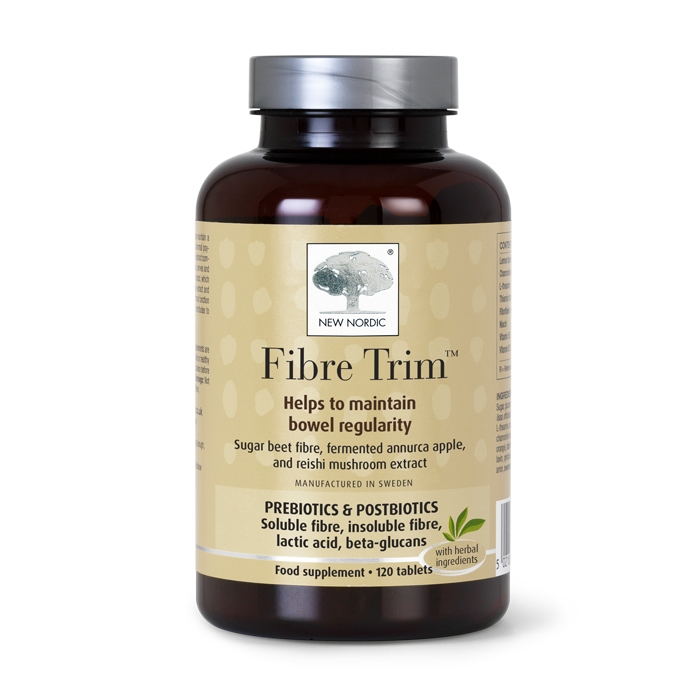
If you find it difficult to get enough fibre from food alone, a fibre supplement may be worth considering. Fibre Trim™ contains sugar beet fibre alongside Red Core apple, reishi and wakame extracts. It can be explored as part of a wider nutritional routine, but it isn’t a replacement for balanced meals or prescribed weight management treatment.
“Coming off a GLP-1 is a new chapter, not the end of your journey. Build sustainable habits that support your weight, nutrition and overall wellbeing for the long term.”
3. Build a Movement Routine You Can Maintain
Physical activity is important for overall health and can support long-term weight management. You don’t need to commit to an intense exercise programme to get started.
Walking, cycling, swimming, dancing and other activities you enjoy can help you move more consistently. Strength training is also worth including where appropriate, as it helps maintain muscle mass alongside a balanced diet.
Start at a level that feels manageable and build gradually. A routine that fits your lifestyle is more likely to last than one that leaves you exhausted or feels difficult to maintain.
Remember that movement offers benefits beyond the number on the scales, including supporting fitness, strength and general wellbeing.
4. Prepare for Changes in Appetite
One of the biggest adjustments after stopping a GLP-1 may be noticing hunger and food cravings more often.
Rather than treating hunger as something to ignore, build a routine that helps you respond to it. Regular, balanced meals, satisfying snacks when needed and planning ahead for busy days can make eating patterns feel more manageable.
It can also help to recognise situations where you tend to eat for reasons other than physical hunger, such as stress, boredom or tiredness. This isn’t about labelling foods as good or bad; it’s about understanding your habits and finding strategies that work for you.
Sleep and stress management matter here, too. Aim for a consistent sleep routine and make time for activities that help you unwind. If you find appetite changes or emotional eating difficult to manage, consider seeking support from a healthcare professional.
Shop mentioned products:



5. Support Your Wider Nutritional Needs
Weight management isn’t just about body weight. Getting enough nutrients is important for energy, digestive health and general wellbeing, particularly if your food intake has been limited.
A varied diet should be your starting point. Depending on your circumstances, you may also want to explore supplements that complement your daily routine.
New Nordic offers a range of products that can complement your nutritional needs. If you’ve noticed changes in your hair or skin during your weight management journey, it’s worth paying attention to your overall nutritional intake, particularly if you’ve been eating less than usual.
Collagen Shot™ provides 5,000 mg of marine collagen per sachet alongside vitamin C, which contributes to normal collagen formation for the normal function of skin. If you’ve noticed changes in hair fullness, the Hair Volume™ range of supplements and topicals contains hair loving ingredients such as biotin and zinc, which contribute to the maintenance of normal hair. These products can be explored as part of a balanced lifestyle, alongside a varied diet that provides the nutrients your body needs.
New Nordic also offers GLProbiotic™ and Gastro Health™ Anti-Bloat for those exploring digestive health support, alongside Fibre Trim™ for additional fibre intake. Choose products according to your individual needs, and remember that supplements cannot prevent weight regain or replace prescribed GLP-1 treatment.
Significant weight loss and inadequate nutrient intake can sometimes contribute to hair shedding. If you notice persistent or substantial hair loss, speak to a healthcare professional to help identify the cause rather than relying on supplements alone.
6. Think Long Term, Not Just About the Scales
It’s understandable to want to protect the progress you’ve made, but successful weight management isn’t defined by a single number.
Focus on habits you can maintain: eating balanced meals, staying active, sleeping well and seeking support when you need it. Monitoring your progress can be useful if it feels helpful, but avoid becoming overly focused on daily fluctuations, which can happen for many reasons.
If your weight begins to increase after treatment, don’t assume you have to manage it alone. Your prescriber may be able to discuss further support, including dietary guidance, structured weight management services or other appropriate treatment options.
Your Next Chapter Starts Here
Coming off a GLP-1 is a transition, not the end of your health journey. Appetite changes and weight regain can happen, but planning ahead and building sustainable habits can help you navigate this stage with greater confidence.
Prioritise balanced nutrition, include protein and fibre-rich foods, find ways to stay active and make time for sleep and stress management. Pay attention to your wider nutritional needs, including your hair and skin, and keep in touch with your healthcare professional if you need support.
Your results are about more than weight loss. They’re about building habits that support your health and wellbeing for the long term.