
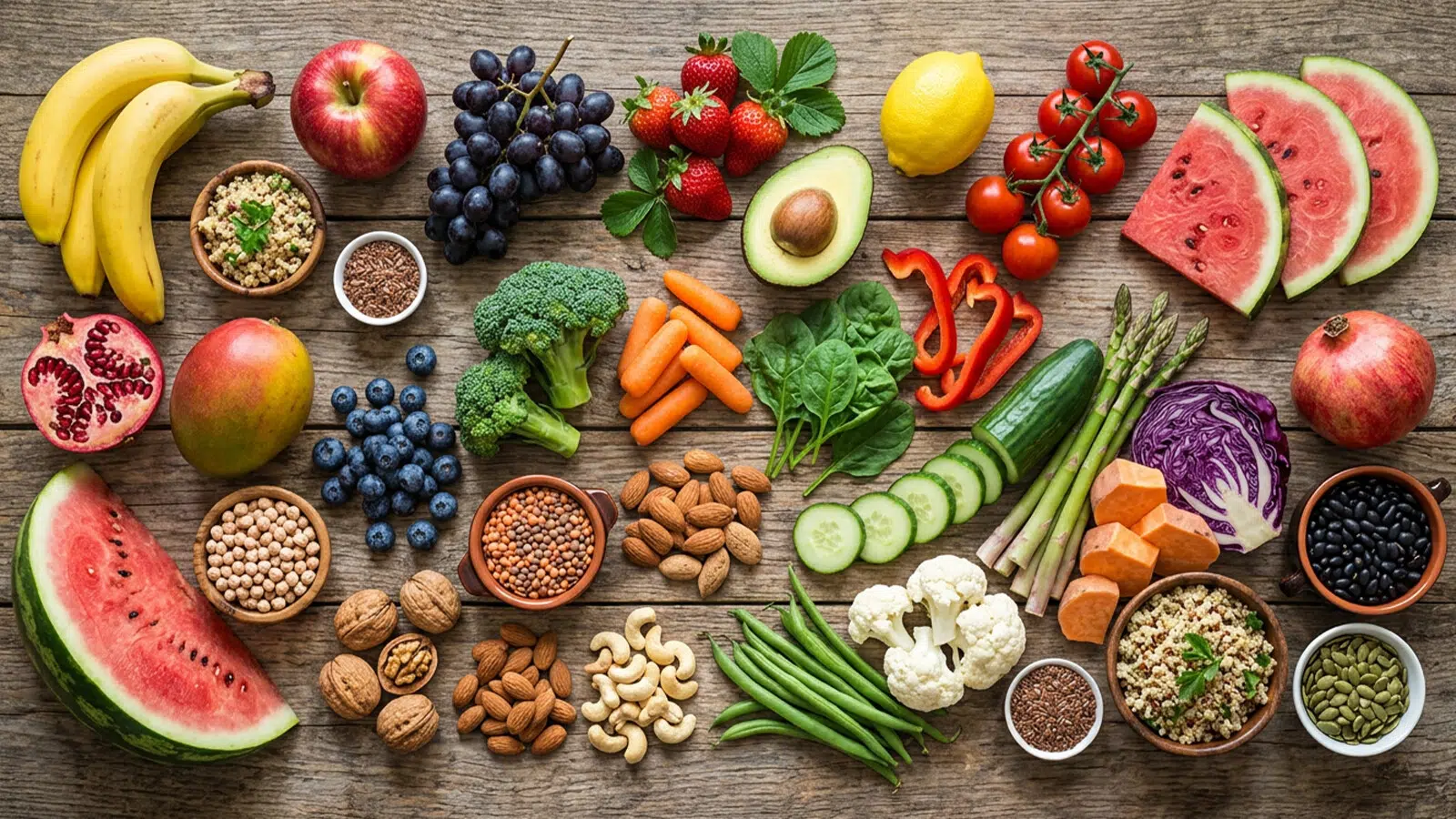
What if improving your gut health started with something as simple as eating more plants? The 30 plants a week challenge encourages you to eat 30 different plant foods every week, from fruit and vegetables to nuts, seeds, wholegrains, beans and herbs. It’s not about following a strict diet or cutting out your favourite foods. Instead, it’s about adding more variety to your plate.
The idea has gained attention because the foods we eat help shape our gut microbiome — the community of microorganisms living in our digestive system. But why does plant diversity matter, and could eating 30 different plants a week make a difference to your gut health?
What is the 30 Plants a Week Challenge?
The concept is straightforward: aim to eat 30 different types of plant food over the course of seven days.
The number might sound daunting at first, but you may already be closer than you think. A handful of almonds, a portion of lentils, an apple with breakfast and a variety of vegetables at dinner all contribute to your weekly total.
Plant foods include much more than fruit and vegetables. You can count:
Fruit and vegetables: apples, berries, broccoli, carrots and spinach.
Wholegrains: oats, brown rice, wholemeal bread and quinoa.
Beans and pulses: chickpeas, lentils, kidney beans and peas.
Nuts and seeds: walnuts, almonds, chia seeds and pumpkin seeds.
Herbs and spices: parsley, basil, ginger, cinnamon and turmeric.
A common approach to the challenge is to count each different plant food once per week, with variety taking priority over quantity. Some versions also give credit for different varieties of the same food, such as red and green cabbage. The main goal is to expand the range of plant foods you eat rather than simply eating larger portions of the same few ingredients.


Why Does Plant Diversity Matter for Gut Health?
Your gut microbiome contains trillions of microorganisms, including bacteria that play a role in digestion and other aspects of health. The composition of this community varies from person to person and can be influenced by factors such as diet, lifestyle, medication and age.
One reason plant diversity is important is fibre. Many plant foods provide dietary fibre, which helps support normal bowel function. Some types of fibre can also be fermented by gut bacteria, producing substances called short-chain fatty acids.
Different plant foods provide different types of fibre and a range of naturally occurring compounds, including polyphenols. Eating a wider variety of plants can therefore expose your gut microbiome to a broader range of these dietary components.
Research, including findings from the American Gut Project, has found an association between eating more than 30 different plant types per week and having a more diverse gut microbiome. However, this does not mean that 30 is a magic number or that everyone who reaches it will experience the same benefits. Gut health is influenced by many factors, and more research is needed to understand the effects of specific dietary patterns over time.
The takeaway? Variety is a useful goal when building a balanced, fibre-rich diet.
“A healthier gut starts with variety. The more diverse the plants on your plate, the wider the range of fibres and nutrients you can give your gut microbiome.”
5 Easy Ways to Reach 30 Plants a Week
You don’t need to completely change your eating habits to get started. Small additions throughout the week can quickly add up.
1. Upgrade Your Breakfast
Breakfast is an easy place to introduce more variety. Add blueberries, raspberries, chia seeds and walnuts to porridge, or mix sliced banana and ground flaxseed into yoghurt. Choosing oats over a refined breakfast cereal can also help increase your wholegrain intake.
2. Add Beans and Pulses to Meals
Beans, lentils and chickpeas are affordable, versatile sources of plant-based fibre. Stir lentils into a tomato sauce, add chickpeas to a salad or include mixed beans in soups and stews. They can boost the plant count while making meals more filling.
3. Eat Different Colours
Different-coloured fruit and vegetables provide different combinations of nutrients and plant compounds. Try adding red peppers, purple cabbage, orange carrots and leafy greens to meals across the week. Frozen vegetables count too, making variety easier and more affordable.
4. Make Herbs, Spices, Nuts and Seeds Count
Small additions can make a surprising difference. Sprinkle pumpkin seeds over soup, add cinnamon to porridge, use fresh parsley in a salad or include ginger in a stir-fry. These ingredients bring flavour as well as variety.
5. Plan for Variety, Not Perfection
Keep a simple list of the plant foods you eat during the week. If you notice you’re relying on the same ingredients, try swapping one or two items on your next shopping trip. Tinned beans, frozen vegetables and mixed nuts can make the challenge more manageable without adding much preparation time.
Remember, you don’t need to reach 30 every single week for your efforts to be worthwhile. Increasing your variety gradually is a positive step in itself.
Shop mentioned products:

What About Fibre and Digestive Comfort?
While increasing plant diversity can be a useful way to improve your diet, it’s important to increase fibre gradually. Suddenly eating much more fibre than you’re used to may cause bloating, wind or abdominal discomfort.
Drink enough fluids, introduce higher-fibre foods over time and pay attention to how your body responds. If you have a digestive condition or have been advised to follow a specific diet, speak to a healthcare professional before making significant changes.
Fibre supplements may be useful for some people who struggle to get enough through food alone, but they don’t replace the range of nutrients and plant compounds found in a varied diet.
Can Supplements Support Your Gut Health?
A varied diet is the best starting point for supporting everyday digestive health, but supplements may have a role alongside healthy eating habits.
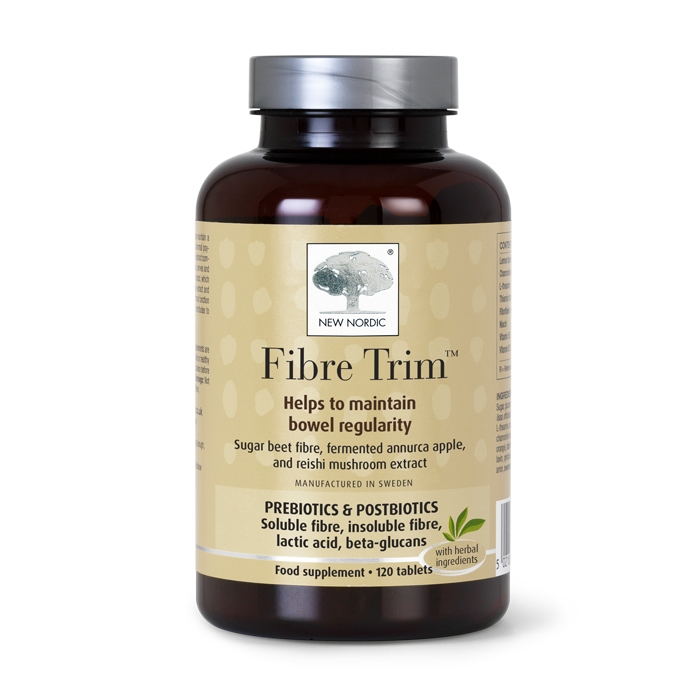
New Nordic offers products designed to complement different aspects of digestive wellbeing. Gastro Health™ Anti-Bloat is one option to explore if you’re looking for targeted digestive support, while Fibre Trim™ contains sugar beet fibre, Red Core apple, reishi and wakame extracts.
Supplements are not a substitute for eating a variety of plant foods, and their benefits depend on their individual ingredients and formulation. Check the product information to see whether a product suits your needs.
Could 30 Plants a Week Make a Difference?
The 30 plants a week challenge is less about hitting a perfect number and more about building a healthier relationship with variety. By including a wider range of fruit, vegetables, wholegrains, pulses, nuts, seeds, herbs and spices, you can increase the range of fibre and other plant-derived nutrients in your diet.
Your gut microbiome is unique, so there is no guarantee that eating 30 plants a week will transform your digestion. But making plant diversity a regular habit is a practical way to work towards a more varied, fibre-rich diet.
Start small, experiment with new ingredients and focus on progress rather than perfection. Your gut health journey doesn’t have to be complicated — it can begin with one extra plant on your plate today.