

As we get older, it’s natural to notice changes in the way we think, learn and remember. Perhaps you occasionally walk into a room and forget why you went there, struggle to recall a name or find it harder to concentrate when you’re tired. These everyday experiences can feel frustrating, but they don’t necessarily mean anything is wrong.
Our brains continue to change throughout life, and there are many ways to support cognitive health as we age. From staying physically active to eating a nutrient-rich diet, small, consistent habits can help support normal brain function and overall wellbeing.
So, what happens to your brain in your 40s, 50s and beyond, and what can you do to look after it?
Your Brain at 40: Building Healthy Habits
Your 40s can be a busy time, with careers, family responsibilities and everyday commitments competing for your attention. Stress, poor sleep and a packed schedule can all affect concentration and memory, making it important to give your brain the support it needs.
Prioritise sleep. Sleep plays an important role in brain health, helping the brain process information and consolidate memories. Aim for a consistent bedtime and wake-up routine, and create a relaxing environment that helps you unwind. If you’re looking to complement your evening routine, Magic Magnesium™ Glycinate offers a convenient way to add magnesium to your daily routine. Magnesium contributes to the normal functioning of the nervous system and the reduction of tiredness and fatigue.
Keep moving. Regular physical activity supports circulation and contributes to overall health. Whether you enjoy walking, cycling, swimming or dancing, finding an activity you enjoy makes it easier to stay consistent.
Feed your brain well. A balanced diet that includes vegetables, fruit, wholegrains, healthy fats and protein provides a range of nutrients your body needs. Vitamin B12, for example, contributes to the normal functioning of the nervous system, while iodine contributes to normal cognitive function.
Building these habits in your 40s can help establish a strong foundation for long-term wellbeing.

Your Brain at 50: Supporting Focus and Memory
By your 50s, you may become more aware of occasional forgetfulness or changes in concentration. Hormonal changes, stress, sleep disruption and other health factors can influence how sharp you feel day to day.
While some changes in memory can be a normal part of ageing, looking after your brain health remains important at every stage of life.
Challenge your mind. Learning a language, playing a musical instrument, doing puzzles or exploring a new hobby gives you opportunities to learn and practise new skills. Choose activities that interest you and offer a manageable challenge.
Stay socially connected. Spending time with friends and family, joining a club or taking part in community activities can help keep you engaged and connected. Social interaction is an important part of overall wellbeing.
Review your nutrition. Vitamin B12 is particularly worth considering because it contributes to normal psychological function and the normal functioning of the nervous system. A deficiency can cause neurological symptoms, so if you’re concerned about your intake or experiencing persistent symptoms, speak to a healthcare professional.
A varied diet should remain the starting point, with supplements considered where they are appropriate for your individual needs.
Your Brain at 60+: Staying Curious and Connected
Ageing does not mean you have to stop learning or exploring new interests. Many people continue to develop skills, knowledge and expertise well into later life. Staying active, engaged and socially connected can all contribute to a fulfilling lifestyle.
Make movement part of your routine. Walking, gardening, swimming and strength-based activities can help maintain physical health and independence. Choose activities suited to your ability and build up gradually.
Keep learning. Reading, creative hobbies, volunteering and learning something new can provide mental stimulation and a sense of purpose. Variety is useful, so try mixing familiar activities with something different.
Look after your overall health. Blood pressure, diabetes, hearing loss, mood and sleep can all be relevant to cognitive health. Routine health checks and seeking advice about changes you notice can help you address potential concerns early.
Nutrition continues to matter, too. A balanced diet supplies vitamins and minerals that contribute to normal body functions, including those involved in the nervous system and cognitive function. For those looking to complement their daily nutritional routine as they get older, Longevity™ Life Energy features a blend of 36 ingredients, including vitamins, minerals and botanicals. It offers a convenient way to supplement a balanced lifestyle alongside a varied diet and other healthy habits.
“Your brain changes as you age, but the habits you build today can help support your cognitive health for years to come.”
Nutrients That Help Support Normal Brain Function
Your brain needs a range of nutrients to function normally. Although no single food or supplement can guarantee healthy ageing, certain vitamins and minerals have recognised roles in normal cognitive or nervous system function.
Vitamin B12 contributes to the normal functioning of the nervous system and normal psychological function.
Iodine contributes to normal cognitive function.
Zinc contributes to normal cognitive function.
Iron contributes to normal cognitive function and the normal formation of red blood cells.
Folate contributes to normal psychological function.
These nutrients can be obtained from a varied diet. Vitamin B12 is found naturally in foods such as fish, meat, eggs and dairy products, while beans, lentils and leafy green vegetables can help provide folate and iron. Nuts, seeds, wholegrains and seafood can provide zinc.
If your diet is restricted, you have concerns about nutrient deficiencies or you find it difficult to meet your nutritional needs, a healthcare professional can help you decide whether a supplement may be useful.
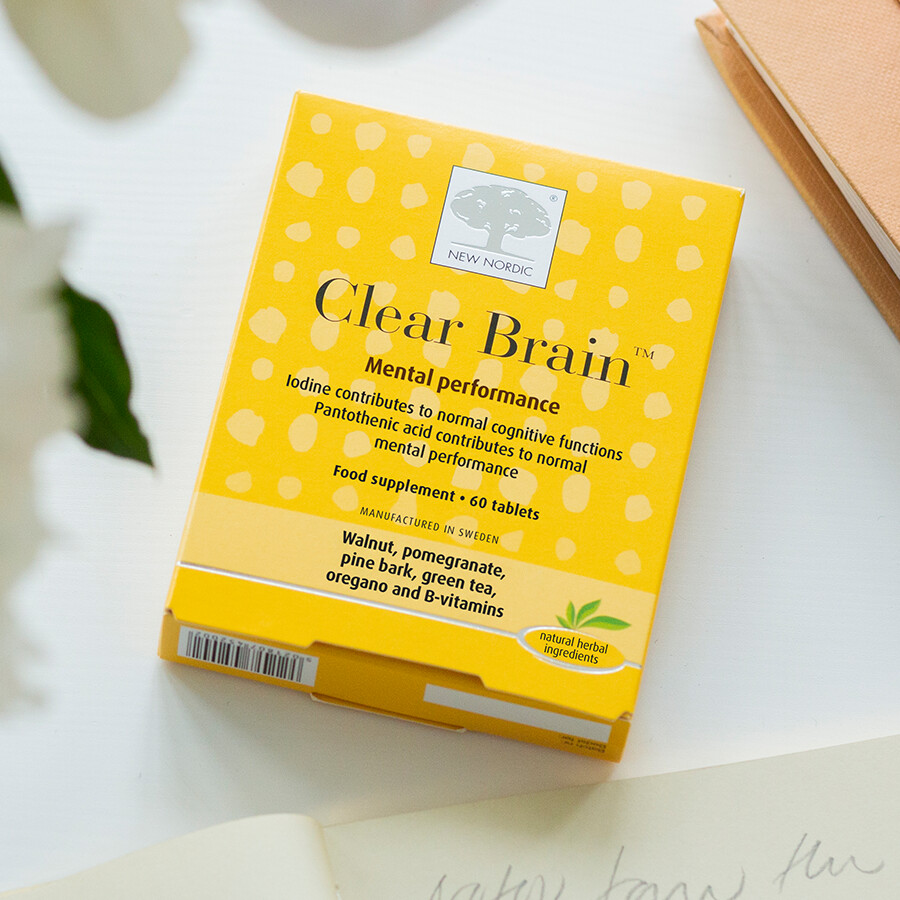
For targeted nutritional support, Clear Brain™ combines botanical extracts, including walnut, pomegranate, green tea and French maritime pine bark, with essential vitamins and minerals. Its formula contains iodine, which contributes to normal cognitive function, and pantothenic acid, which contributes to normal mental performance. B vitamins, including vitamins B6 and B12, also contribute to the normal functioning of the nervous system and the reduction of tiredness and fatigue. Taken as part of a balanced diet and healthy lifestyle, Clear Brain offers a convenient way to support your everyday nutritional needs as you get older.
Shop mentioned products:



£20.49 – £49.99Price range: £20.49 through £49.99 - or subscribe to save 25%
Everyday Habits for Long-Term Cognitive Health
Supporting your brain doesn’t have to involve a complicated routine. Often, it’s the habits you repeat every day that make the biggest difference to your overall health.
Try to:
Eat a varied, balanced diet with plenty of vegetables, fruit and wholegrains.
Stay physically active in ways that suit your lifestyle.
Aim for regular, restorative sleep.
Make time for hobbies, learning and social connection.
Manage stress and seek support when you need it.
Keep up with health checks and address changes in hearing, vision, mood or memory.
It’s also important to avoid smoking and keep alcohol within recommended limits, as both can affect long-term health.
If you notice persistent or worsening memory problems, changes that interfere with everyday activities or symptoms that concern you, don’t assume they’re simply part of getting older. Speak to your GP, as there may be an underlying cause that needs attention.
Support Your Brain at Every Age
Your brain changes throughout life, but there are plenty of positive steps you can take to support your cognitive health in your 40s, 50s, 60s and beyond.
A balanced diet, regular physical activity, good-quality sleep, mental stimulation and meaningful social connections all have a place in a brain-friendly lifestyle. Paying attention to your nutritional needs can also help you make informed choices about supporting normal brain function.
The goal isn’t to stop ageing — it’s to support your wellbeing as you age. By building healthy habits that work for you and seeking professional advice when needed, you can take a proactive approach to looking after your brain throughout life.