

From the teenage years to menopause and beyond, a woman’s body goes through many changes. Hormones fluctuate, energy needs can shift, and the body may require different nutrients at different stages of life. That’s why understanding women’s nutritional needs is an important part of supporting long-term health and wellbeing.
A balanced diet is the foundation of good nutrition, but knowing which nutrients to focus on at different ages can help you make more informed choices. Here’s how women’s nutritional needs change throughout life and which nutrients deserve particular attention.
1. Teenage Years: Building Strong Foundations
Adolescence is a period of rapid growth and development, making good nutrition particularly important. During these years, the body needs enough energy, protein, vitamins and minerals to support healthy development.
Iron is especially important for teenage girls, as iron requirements increase after menstruation begins. Iron contributes to the normal formation of red blood cells and haemoglobin, while vitamin C helps increase iron absorption.
Calcium and vitamin D are also important during adolescence, as they contribute to the maintenance of normal bones. Magnesium is another useful nutrient to consider, as it contributes to normal functioning of the nervous system and normal muscle function. For younger children, Kid’s Magic Magnesium combines magnesium with calcium and vitamin D to help support their nutritional needs as they grow.
Eating a varied diet that includes leafy green vegetables, beans, wholegrains, dairy products or fortified alternatives can help provide these essential nutrients.


2. Adulthood: Supporting Energy and Everyday Wellbeing
During adulthood, busy schedules, work, family life and exercise can all influence nutritional needs. Eating regular, balanced meals helps provide the nutrients needed to support everyday health.
Iron remains important for women who menstruate, while B vitamins, including vitamin B12, help support normal energy-yielding metabolism. Vitamin B12 also contributes to the normal functioning of the nervous system.
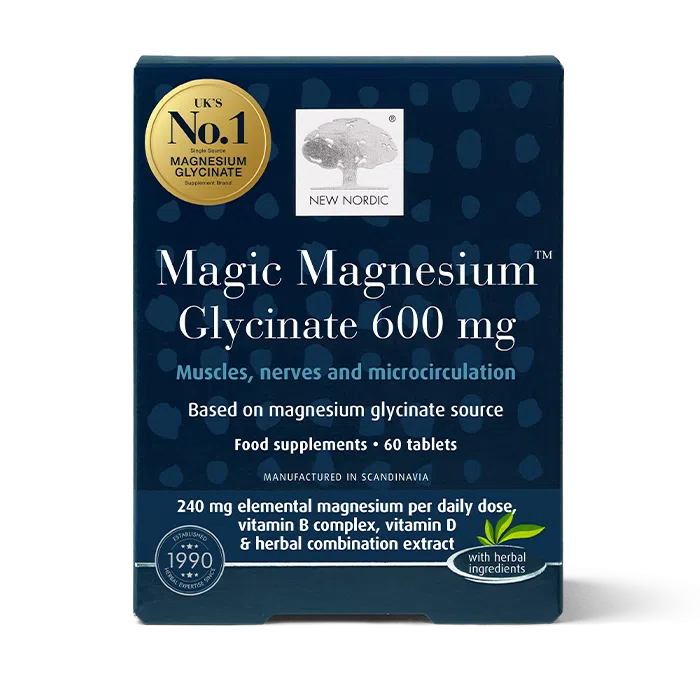
Magnesium is another important nutrient, contributing to normal muscle function and the reduction of tiredness and fatigue.
If you’re looking for convenient nutritional support, the Magic Magnesium range offers different magnesium formulations to suit individual preferences and routines.
3. Pregnancy and Breastfeeding: Meeting Increased Nutritional Needs
Pregnancy and breastfeeding place additional demands on the body, making certain nutrients particularly important.
Folic acid is essential before conception and during early pregnancy because it helps reduce the risk of neural tube defects in the developing baby. A daily 400 microgram supplement is recommended for women who could become pregnant and during the first 12 weeks of pregnancy.
Vitamin D is also recommended during pregnancy and breastfeeding, while iodine, iron and vitamin B12 may be important depending on diet and individual circumstances.
Women who are pregnant, planning a pregnancy or breastfeeding should speak to a healthcare professional about suitable supplements, as not all supplements are appropriate during pregnancy.
“From the teenage years to menopause and beyond, understanding your changing nutritional needs can help you make informed choices for your health and wellbeing.”
4. Perimenopause and Menopause: Changing Nutritional Priorities
As women approach menopause, changing hormone levels can affect many aspects of everyday life, including sleep, body composition and bone health.
During this stage, calcium and vitamin D are particularly important because they contribute to the maintenance of normal bones. Protein also plays a valuable role in a balanced diet, helping support the maintenance of muscle mass. Calcium Mega™ is another great option to explore if you’re looking for a supplement to complement your dietary calcium intake.
If you’re struggling with menopause symptoms, Red Clover™ is available in both tablet and gummy formats, offering a choice for women looking to complement their daily wellness routine during this stage of life. Red clover extract helps manage the obvious signs of menopause, such as hot flushes and irritability. The tablets also contain vitamin B6, which contributes to the regulation of hormonal activity.
Magnesium contributes to normal muscle function and the normal functioning of the nervous system, making it another nutrient worth considering as part of a varied diet.
Regular weight-bearing exercise, strength training and a nutrient-rich diet can all help support wellbeing during the menopausal transition.
Shop mentioned products:


£20.49 – £49.99Price range: £20.49 through £49.99 - or subscribe to save 25%
5. Later Life: Maintaining Strength and Vitality
As women get older, maintaining bone strength, muscle mass and overall nutritional status becomes increasingly important.
Vitamin D and calcium contribute to the maintenance of normal bones, while protein helps maintain muscle mass. Vitamin B12 also deserves attention because the body’s ability to absorb this vitamin from food can decline with age.
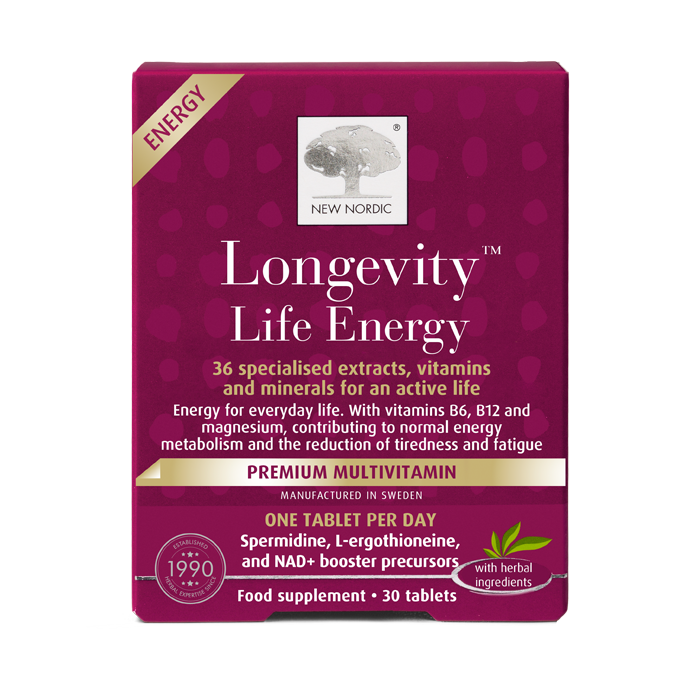
A multivitamin can be a convenient way to supplement the diet where needed. Longevity™ Life Energy features a blend of 36 ingredients, including vitamins, minerals and botanicals, designed to complement a balanced lifestyle as you get older. Supplements work best alongside a varied diet and healthy habits, rather than as a replacement for them.
Appetite, medication use and changes in digestion can affect nutritional intake, so eating a varied diet and seeking advice when needed can help identify potential gaps.
Supporting Your Nutritional Needs at Every Age
Women’s nutritional needs change throughout life, but the fundamentals remain the same: eat a varied, balanced diet, stay physically active and pay attention to the nutrients that matter most at your current stage of life.
From iron during the menstruating years to calcium and vitamin D later in life, understanding these changing needs can help you make informed choices about your wellbeing.
The best approach is personal: focus on a balanced diet first, and consider supplements where they are appropriate for your individual needs. If you’re unsure which nutrients you need, a GP, pharmacist or registered dietitian can help you decide what may be right for you.