
If you’ve spent any time on wellness TikTok or Instagram lately, you may have come across the latest food trend: fibremaxxing. The idea is simple – make a conscious effort to increase the amount of fibre you eat each day by adding more fibre-rich foods to your meals and snacks.
But is fibremaxxing just another social media wellness trend, or is there something worth paying attention to? Here’s what you need to know about fibre, the potential benefits of eating more, and how to increase your fibre intake sensibly.
What is fibremaxxing?
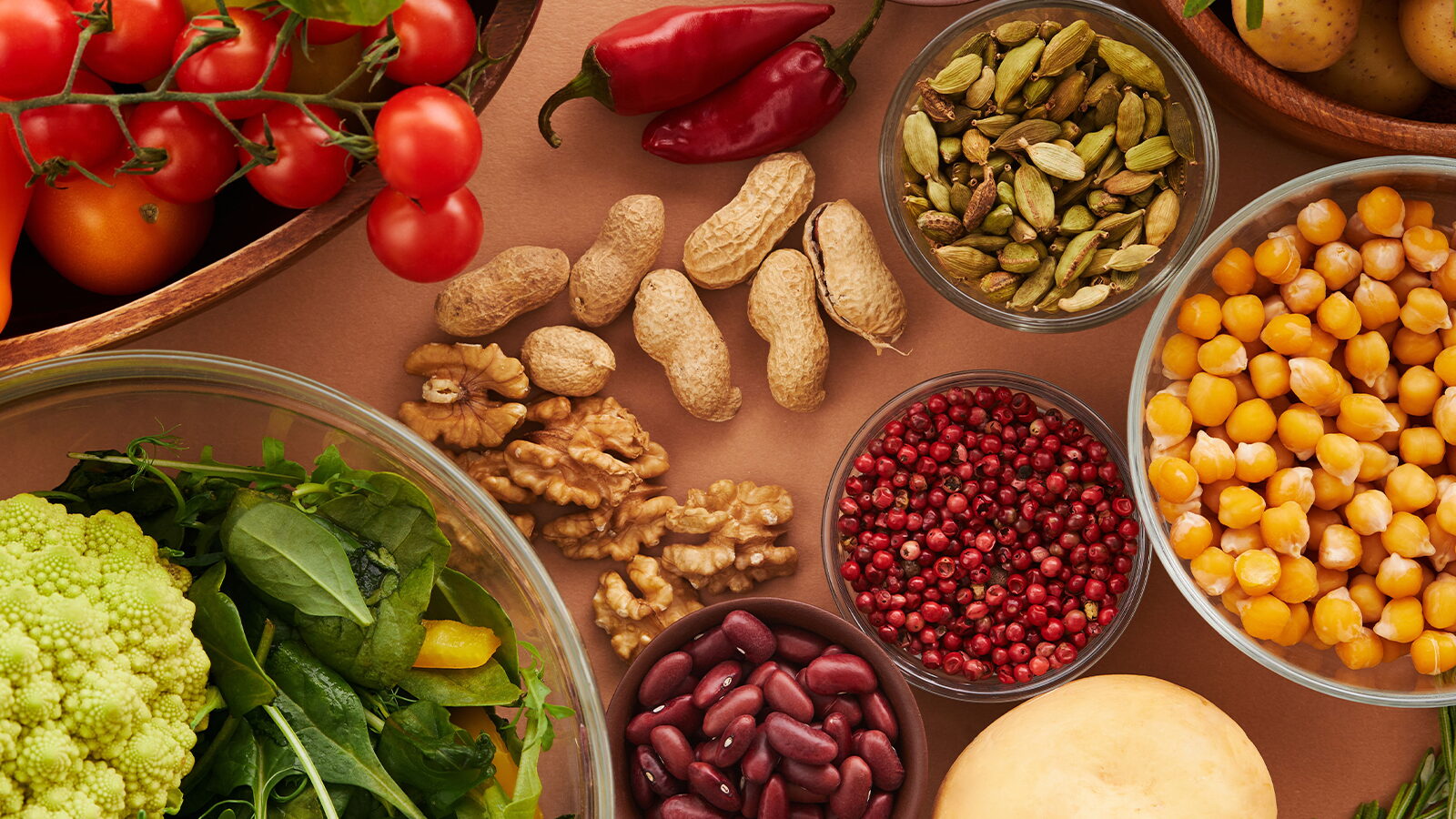
Fibremaxxing is an informal term for prioritising fibre in your diet and aiming to eat more high-fibre foods throughout the day. Rather than focusing on one particular food, it encourages you to build meals around ingredients such as fruit, vegetables, wholegrains, beans, lentils, nuts and seeds.
The trend has gained popularity as more people become interested in gut health, digestion, healthy eating and feeling fuller for longer.
While there’s no official fibremaxxing diet or set meal plan to follow, the basic principle is straightforward: look for easy ways to add more fibre to your everyday diet.

Why is fibre important?
Fibre is a type of carbohydrate found naturally in plant foods. Unlike other carbohydrates, it isn’t fully broken down and absorbed by the body.
Getting enough fibre as part of a balanced diet can support normal bowel function and digestive health. Fibre also helps add bulk to stools, which can help maintain regular bowel movements.
Some types of fibre are also fermented by the beneficial bacteria in your gut, making fibre an important part of a diet that supports a healthy gut microbiome.
Another reason fibre has become such a popular wellness topic is that high-fibre foods can help you feel fuller after eating. Foods such as oats, beans, lentils, fruit and vegetables can therefore be a useful addition to balanced meals.
“Fibre is having a moment – and your gut could benefit from it.”
How much fibre should you eat?
In the UK, adults are generally advised to aim for around 30g of fibre per day as part of a healthy, balanced diet.
However, many people don’t consistently reach this amount. This is where the idea behind fibremaxxing can be useful: rather than completely changing your diet, you can look for small opportunities to increase your fibre intake throughout the day.
For example:
- Add berries, banana or seeds to your breakfast.
- Choose wholegrain bread, pasta or rice.
- Include beans, chickpeas or lentils in lunches and dinners.
- Keep nuts and fruit handy for fibre-rich snacks.
- Add an extra portion of vegetables to your main meals.
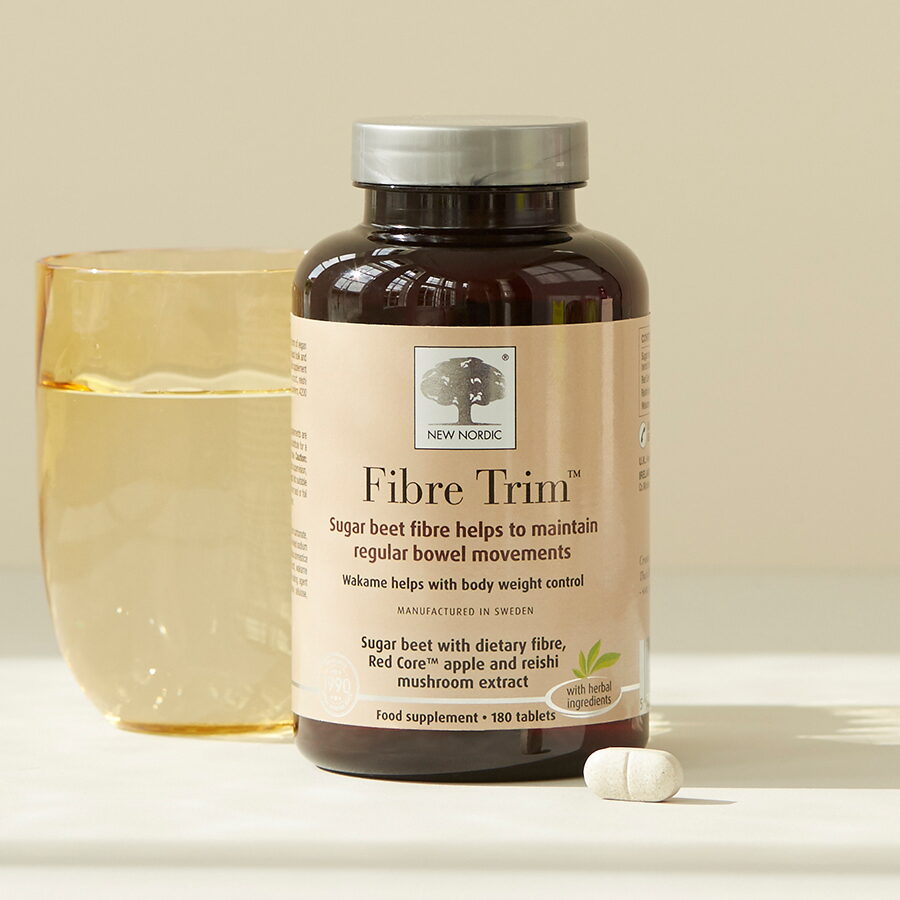
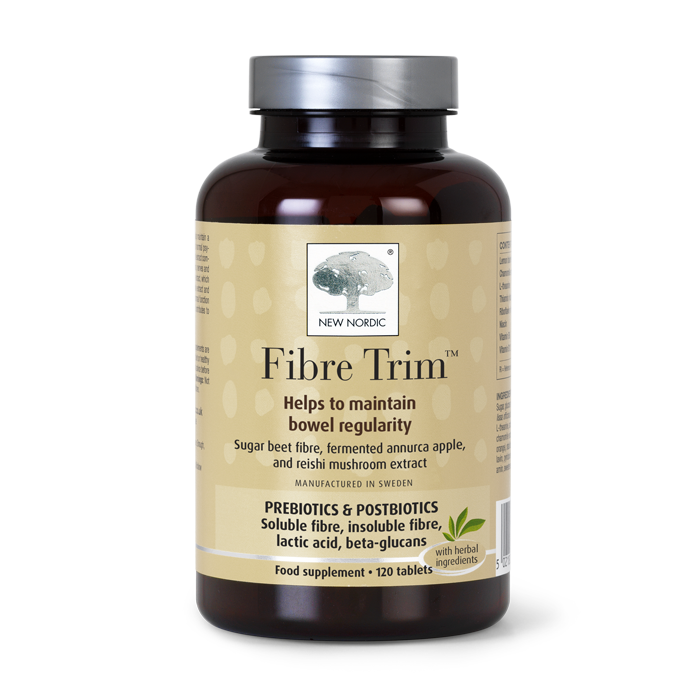
- Supplement your fibre with Fibre Trim™
Shop mentioned products:
Can you eat too much fibre?
More fibre isn’t necessarily better. If you suddenly increase your fibre intake, you may experience bloating, gas or digestive discomfort.
The key is to increase fibre gradually and give your digestive system time to adjust. It’s also important to drink plenty of fluids throughout the day, particularly when increasing your intake of fibre-rich foods.
If you have an existing digestive condition or have been advised to follow a particular diet, speak to a healthcare professional before making significant changes to your fibre intake.
Should you try fibremaxxing?
You don’t need to follow a strict fibremaxxing diet to benefit from eating more fibre. Instead, think of it as a simple reminder to include a wider variety of plant foods in your everyday meals.
Aiming for around 30g of fibre a day, gradually increasing your intake and choosing a variety of fibre-rich foods can be a practical way to support your digestive health and overall diet.
So, is fibremaxxing worth trying? The trend itself may be new, but the principle behind it isn’t. Eating more fibre-rich plant foods has long been an important part of a balanced diet. The best approach is to make small, sustainable changes that fit naturally into your routine – rather than trying to maximise your fibre intake overnight.