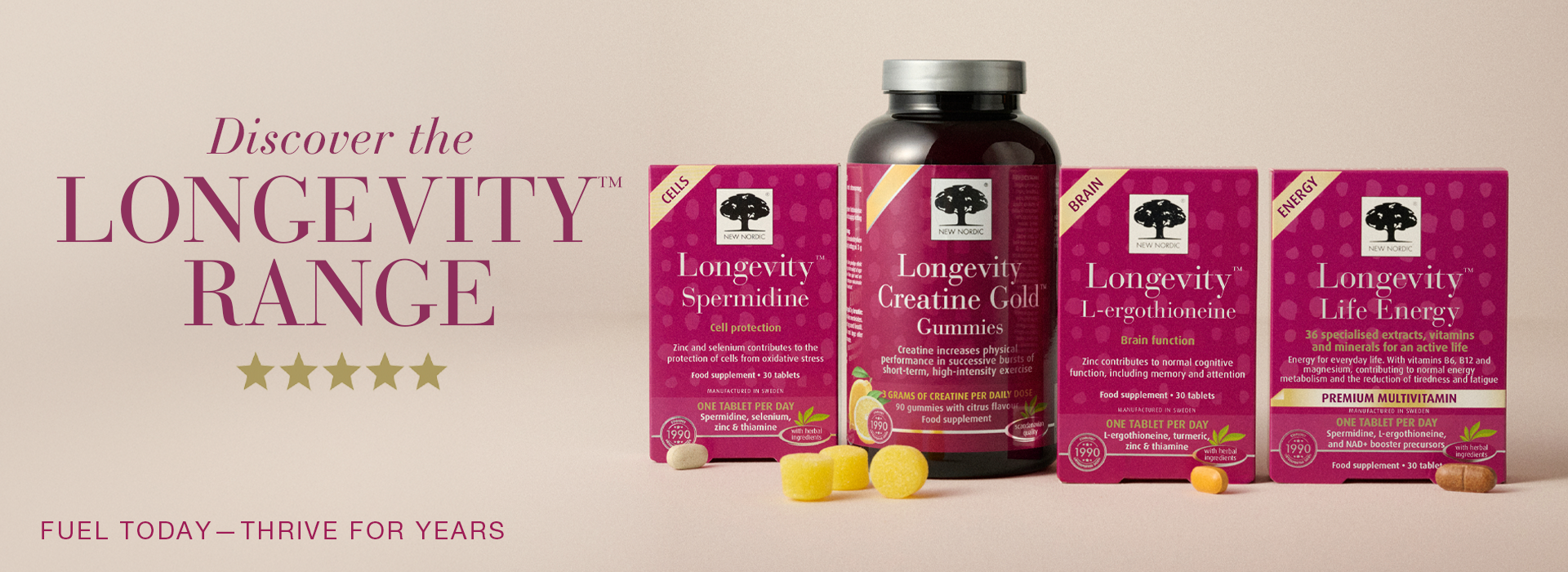

Creatine Is More Than a Muscle-Building Supplement
Creatine is one of the most researched natural compounds in sports nutrition and health science, widely recognised for supporting muscle strength and exercise performance. However, creatine benefits extend far beyond the gym. Emerging research shows that creatine plays an important role in energy production, brain function, healthy aging, and overall vitality, making it increasingly relevant for long-term wellness and longevity.
How Creatine Supports Cellular Energy Production
At its core, creatine helps the body produce and recycle adenosine triphosphate (ATP), the primary energy source used by cells. Every movement, thought, and biological process relies on ATP for energy. During periods of physical activity, mental focus, or stress, ATP stores are rapidly depleted. Creatine helps regenerate ATP more efficiently, supporting sustained energy output, physical performance, and cognitive function.
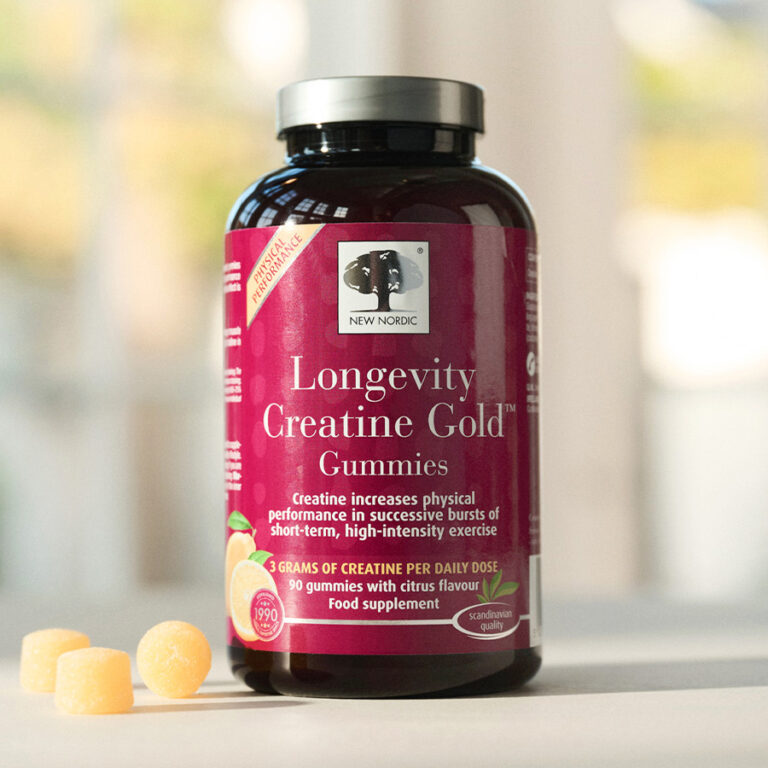

Natural Sources of Creatine and Supplementation
Creatine is naturally produced by the body and is also found in foods such as red meat and fish. However, creatine levels can vary depending on age, diet, activity levels, and lifestyle factors. Research suggests that creatine supplementation can help increase creatine stores in both muscles and the brain, potentially improving physical endurance, recovery, and mental performance.
Creatine Benefits for Strength, Recovery, and Cognitive Function
Creatine is best known for supporting muscle growth, strength, and exercise capacity, but studies also suggest broader health benefits. Research indicates that creatine may support faster recovery, improved mental clarity, enhanced cognitive performance, and better resilience during periods of stress or fatigue. These benefits make creatine relevant not only for athletes, but also for individuals focused on energy, productivity, and healthy aging.
“Creatine is increasingly recognised not just as a performance supplement, but as a foundational compound for supporting energy, cognitive function, and healthy ageing over time.”
Creatine and Healthy Ageing
One of the most promising areas of creatine research is its potential role in healthy ageing and longevity. Maintaining muscle mass and physical function becomes increasingly important with age, as muscle loss is closely linked to reduced mobility and independence. Creatine supplementation may help support muscle preservation, strength, and physical performance over time, contributing to long-term vitality and quality of life.
Consistency Is Key for Long-Term Creatine Benefits
Like many longevity-focused health habits, creatine works best when used consistently rather than as a short-term solution. Daily supplementation can help support the body’s energy systems over time, promoting sustained physical and mental performance. Combined with regular exercise, restorative sleep, balanced nutrition, and stress management, creatine may help support a more energised and resilient body and mind.
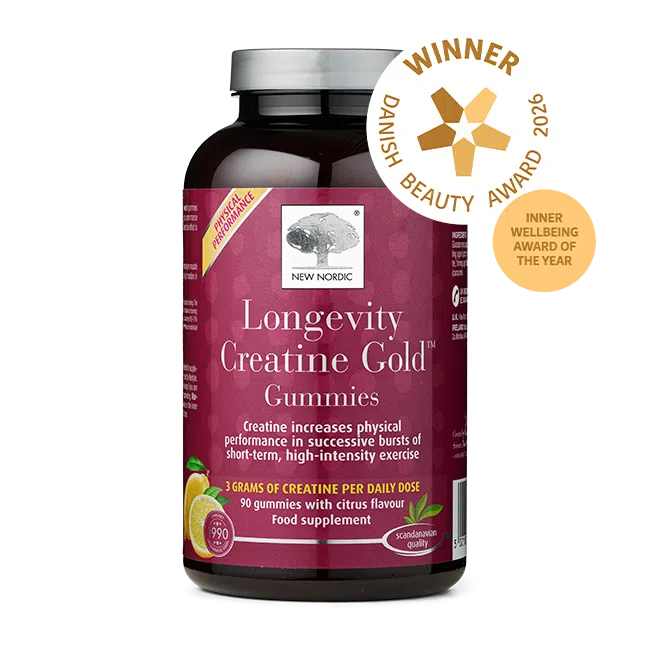
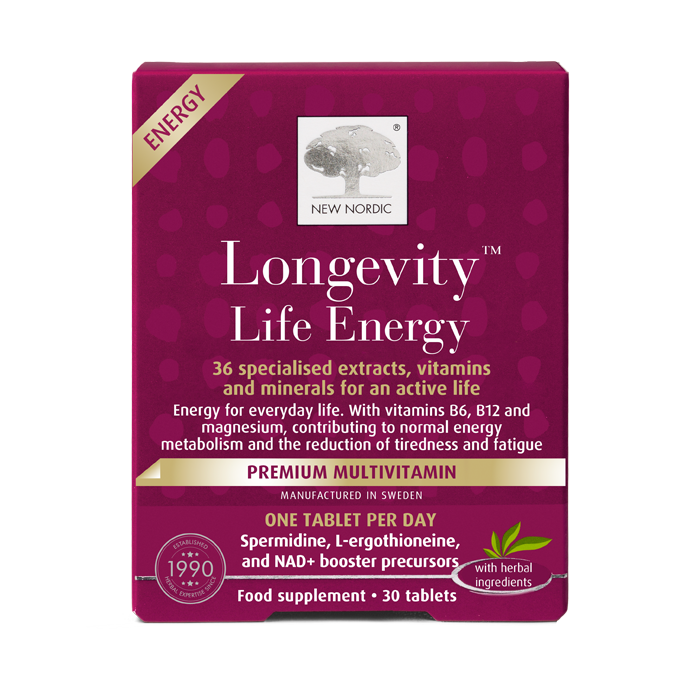
Shop mentioned products:
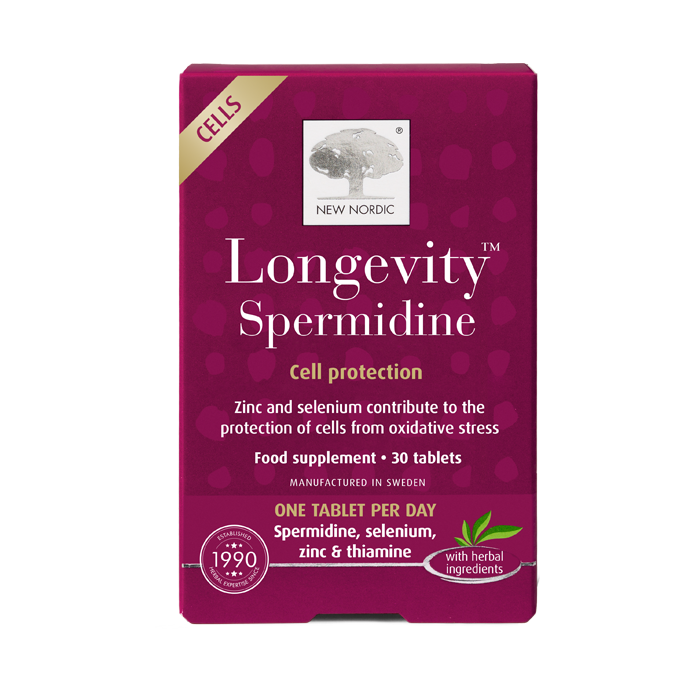
Creatine’s Growing Role in Longevity and Wellness
As scientific understanding of energy metabolism and healthy ageing continues to evolve, creatine is increasingly recognised as more than just a sports supplement. Its role in supporting ATP production, cognitive health, muscle function, and overall vitality positions creatine as a foundational compound for long-term physical and mental wellbeing.
Supporting Energy, Vitality, and Long-Term Health
Creatine supplementation may offer benefits for people looking to support everyday energy, exercise performance, cognitive function, and healthy aging. While it is not a replacement for healthy lifestyle habits, creatine can complement a wellness routine focused on movement, nutrition, recovery, and longevity. Over time, these combined habits can help support sustained energy, resilience, and long-term health.