

Fibre is one of the most important nutrients for overall health, yet many people still do not get enough of it in their daily diet. Often associated with digestive health, fibre actually plays a much bigger role in supporting wellbeing — from maintaining healthy digestion and supporting weight management to helping balance blood sugar levels and promoting heart health.
With modern diets often high in processed foods and low in plant-based ingredients, increasing fibre intake has become more important than ever. Understanding the benefits of dietary fibre and how to include more of it in your routine can help support long-term health and everyday wellbeing.
What is Fibre?
Dietary fibre is a type of carbohydrate found mainly in plant foods such as fruits, vegetables, whole grains, nuts, seeds, and legumes. Unlike other carbohydrates, fibre is not fully digested by the body, which is why it plays such an important role in digestion and gut health.
There are two main types of fibre: soluble fibre and insoluble fibre. Soluble fibre absorbs water and forms a gel-like consistency in the digestive system, while insoluble fibre helps food move through the digestive tract more efficiently.
Both types are important for maintaining healthy digestion and supporting overall health.

Fibre and Digestive Health
One of the best-known benefits of fibre is its role in supporting digestive health. Fibre supports regular bowel movements and contributes to a healthy digestive system by adding bulk to stool and helping food move smoothly through the gut.
A diet low in fibre may contribute to digestive discomfort, bloating, and irregularity. Increasing fibre intake gradually, alongside adequate water intake, may help support a healthier digestive balance.
Fibre also acts as a source of nourishment for beneficial gut bacteria. A healthy gut microbiome is increasingly linked to many aspects of well-being, including digestion, immunity, and even energy levels.
Fibre for Weight Management
Fibre is also widely recognised for its role in supporting healthy weight management. High-fibre foods can help increase feelings of fullness after meals, which may help reduce snacking and overeating throughout the day.
Because fibre slows digestion, it can help support more stable energy levels and prolonged satiety. This is one reason why fibre-rich diets are often recommended as part of a balanced weight management plan.
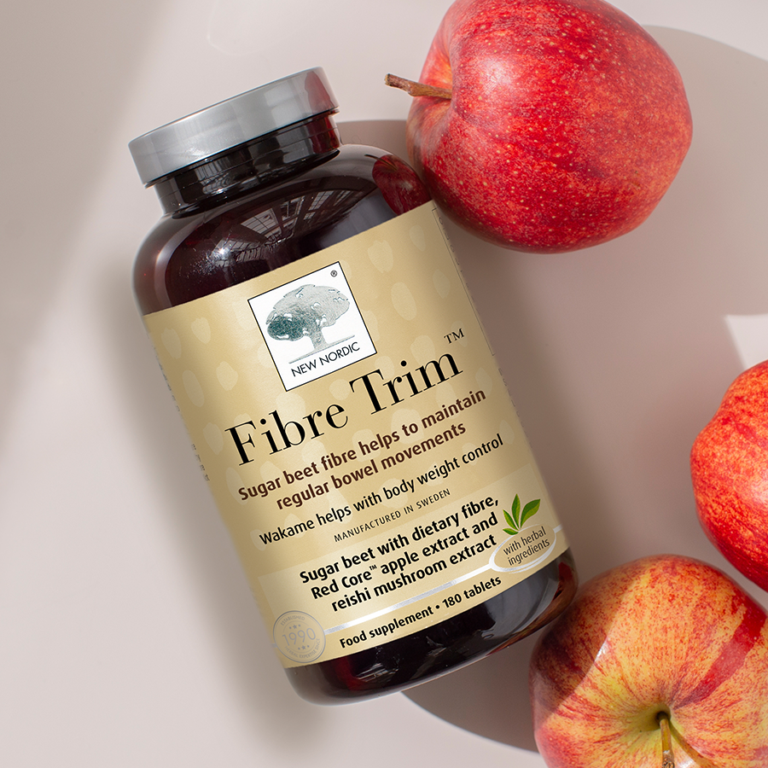
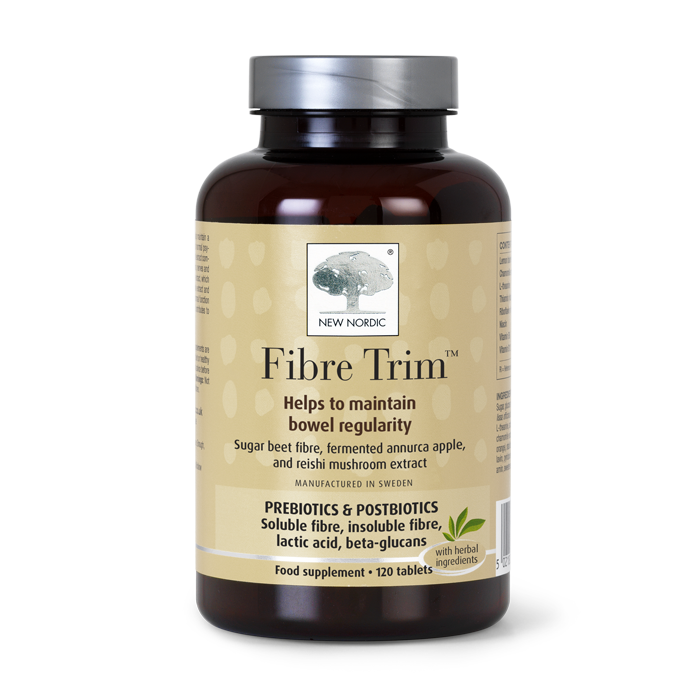
Supplements such as Fibre Trim provide a convenient way to increase daily fibre intake. Fibre Trim contains ingredients including sugar beet fibre, Red Core™ apple extract, reishi mushroom extract, and wakame extract, designed to complement a balanced diet and healthy lifestyle.
“Fibre supports digestion, gut health, satiety, and overall well-being — making it an essential part of a healthy diet.”
Supporting Healthy Blood Sugar Levels
Fibre, particularly soluble fibre, may also help support balanced blood sugar levels by slowing the absorption of sugar into the bloodstream. This can help reduce rapid spikes and crashes in energy after meals.
Including more fibre-rich foods as part of a balanced diet may help support sustained energy and improved appetite control throughout the day.
Whole grains, vegetables, oats, legumes, and fruits are all excellent sources of naturally occurring dietary fibre.
Fibre and Heart Health
A high-fibre diet has also been associated with heart health benefits. Soluble fibre may help support healthy cholesterol levels by binding to cholesterol in the digestive system and helping remove it from the body.
Heart health organisations often recommend increasing fibre intake as part of a healthy lifestyle that includes balanced nutrition, exercise, and adequate hydration.
Simple dietary changes such as replacing refined carbohydrates with whole grains, increasing vegetable intake, and adding fibre supplements when needed can help support daily fibre goals.
Shop mentioned products:
Easy Ways to Increase Fibre Intake
Many people struggle to reach the recommended daily fibre intake, particularly when living busy lifestyles. Fortunately, small changes can make a big difference.
Adding oats or seeds to breakfast, choosing whole grain foods, eating more vegetables, and snacking on fruit and nuts are all easy ways to increase dietary fibre naturally.
For additional support, products like Fibre Trim can help complement a healthy diet and support digestive wellness and weight management goals.
Why Fibre Matters
Fibre plays a vital role in supporting digestion, gut health, weight management, heart health, and overall wellbeing. Despite its importance, it is still one of the most overlooked nutrients in modern nutrition.
By making fibre-rich foods and targeted fibre supplements part of your daily routine, you can help support healthier digestion, improved satiety, and long-term wellness naturally.